
HELPING PEOPLE LIVE BETTER
Every day, our medicines help 64 million people in emerging countries live better, fuller and healthier lives

Abbott is the only global healthcare company with a pharmaceuticals business entirely dedicated to emerging markets. Operating in 95 countries, we bring trusted care where it’s needed most, helping people live healthier lives through our life-changing technologies and products.
Whether it is an ordinary headache or a more serious illness, we want people to get better fast, so they can go back to doing the things they love.
We’ve delivered high-quality healthcare for the last 135 years and are committed to continuing to do so in the future.

At Abbott, we believe that the best healthcare solutions are those that reach the people who need them most. With our medicines business focused on emerging countries, we are committed to making high-quality treatments more accessible, improving health outcomes where it matters most.
Our growing biosimilars portfolio is helping expand access to life-changing biologic medicines in areas like oncology, immunology, and women’s health—bringing the latest medical innovations to more people, so they can live healthier, fuller lives.

Women's Health
Stay steady: Preventing falls and fractures
For people with osteoporosis, preventing falls is just as important as treating the bone loss itself. Most osteoporosis-related...

Women's Health
A global perspective: Osteoporosis around the world
Osteoporosis is a worldwide public health challenge. It’s not confined to any one country or region: populations across the glo...

Women's Health
Moving forward after a miscarriage
Miscarriage affects approximately 15% of recognized pregnancies, meaning you’re not alone in this experience.1 The emotio...

Cardiometabolism
Does dyslipidemia have symptoms? Why it’s often called a ‘silent’ condition
One challenging aspect of dyslipidemia is that it usually does not cause noticeable symptoms. In fact, most people feel complet...

Oncology
Non-small cell lung cancer treatment: What patients need to know
Non-small cell lung cancer (NSCLC) is the most common form of lung cancer, accounting for approximately 85% of all lung cancer ...

Oncology
Small cell lung cancer: What are the signs?
Small cell lung cancer accounts for about 15% of all lung cancers in the U.S.1 Most people experience symptoms for only 8 to 12...

Gastrointestinal
Pancreatic enzyme insufficiency and your well-being
Pancreatic enzyme insufficiency occurs when your pancreas doesn’t produce or deliver enough digestive enzymes to properly...

Women's Health
Facing irregular periods with confidence
Irregular periods are common and can happen at any stage of reproductive life. A menstrual cycle is considered irregular if it&...

Women's Health
Osteoporosis uncovered: Why managing bone health matters
Think of your bones as the scaffolding that holds you up. In youth, that scaffolding is solid, with a strong, tightly packed “h...

Cardiometabolism
Irregular heartbeat? Here’s what you should know
Cardiac arrhythmia refers to any abnormal heart rhythm1, affecting millions of people globally.2 While some heart arrhythmias a...

Oncology
Understanding NSCLC: What It Is, who gets It, and how It Is found
A lung cancer diagnosis raises so many questions at once. This guide answers the most important ones first — starting with what...

Women's Health
Nourish your bones naturally: Smart food choices for osteoporosis
Food is one of your most powerful tools for building and maintaining strong bones. Think of your bones as a living bank: every ...

Cardiometabolism
What a fast heartbeat might be telling you
A fast heartbeat, medically called tachycardia, occurs when your heart beats faster than 100 times per minute while at rest. Wh...

Women's Health
Menopause and thyroid symptoms: Understanding the overlap
Menopause and thyroid disease can cause similar symptoms. Both conditions can disrupt sleep, mood, weight, and energy.1,2 When ...

Women's Health
Your partner and menopause: A science-based guide for partners
Menopause eventually happens to every woman, and it often affects the people closest to her too. If your partner is going throu...

Women's Health
Why menopause wakes you up between 3 and 5 a.m. and what you can do about it
If you are going through menopause and frequent waking at night, you are not imagining it — and you are far from alone. Frequen...

Central Nervous System
Feeling Dizzy? Understanding Vertigo & Ménière’s Disease
If you’ve ever felt like the room is spinning around you even when you’re standing still, you’re not alone. T...

Cardiometabolism
Easy ways to keep blood pressure on track
Lifestyle modifications represent the recommended first-line strategy for managing high blood pressure, often reducing the need...

Women's Health
Can menopause cause joint pain and muscle aches?
Aching joints, sore muscles, increased risk of fractures and ligament injury are among the symptoms many women report around th...

Respiratory
Getting through flu season: Keep family healthy
Flu season brings challenges for families, with approximately one-third of all influenza transmission occurring within househol...

Women's Health
How does menopause affect gut health and the microbiome?
Menopause is the natural stage of life when the ovaries make less of the hormone oestrogen.1 In recent years, researchers have ...

Women's Health
Is there a link between long COVID and menopause
Long COVID (symptoms persisting for four weeks or more after the acute infection) and menopause can cause some of the same symp...

Women's Health
How can I prepare in advance for menopause?
Menopause is the time when your periods stop for good, usually between 45 and 55 years of age1. Before menopause comes a transi...

Women's Health
Menopause and your heart: What the science says and what you can do
Menopause is a natural part of life but it is also a turning point for heart health. Research shows that the hormonal changes o...
Women's Health
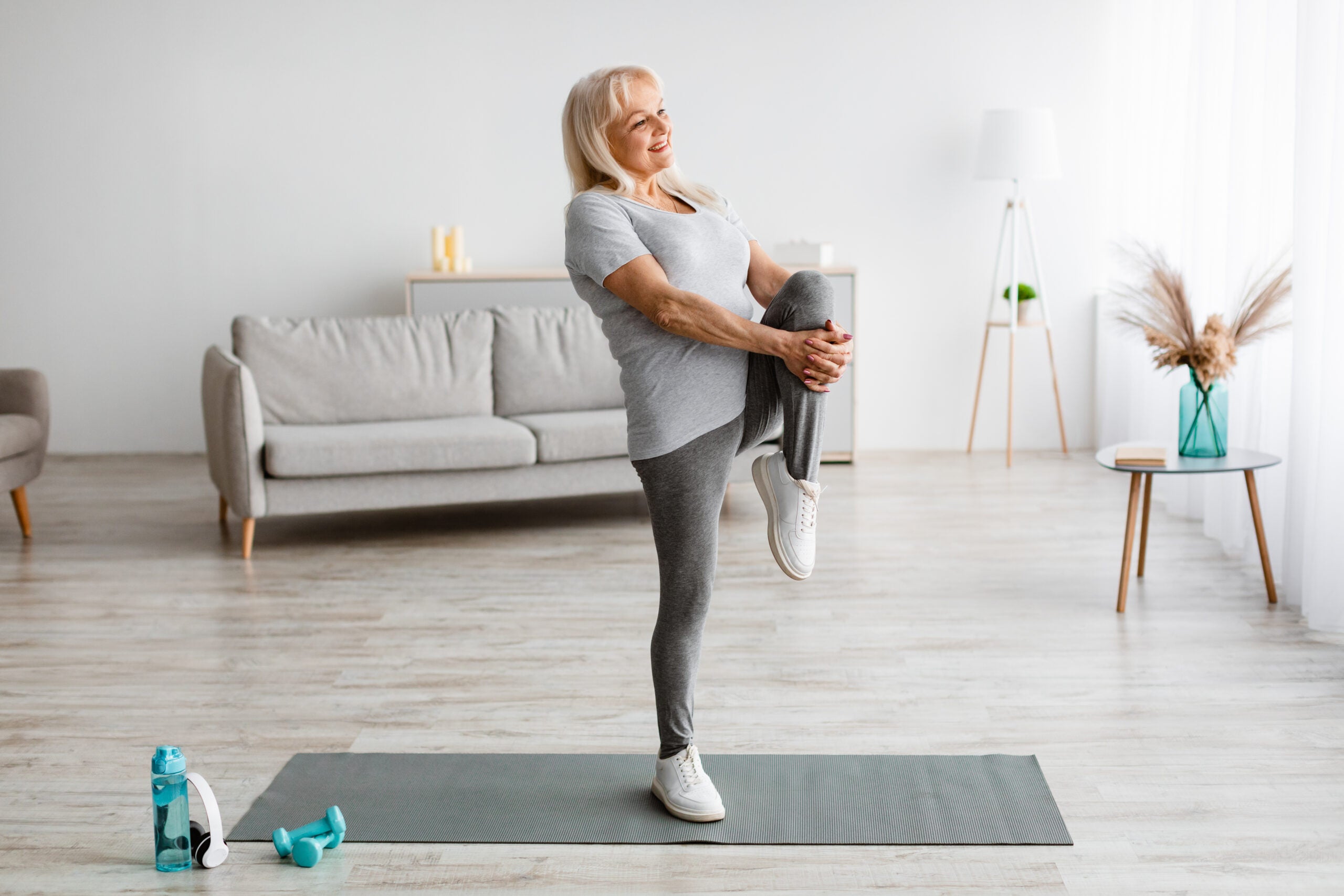
Bone checkups: Screening and testing for osteoporosis
Osteoporosis is often called a “silent” disease because you won’t know you have it without a test or until a bone breaks.1 That...

Women's Health
Not just a women’s disease: Osteoporosis in men and other groups
When people think of osteoporosis, they often picture an older woman. It’s true that postmenopausal women have the highest risk...

Women's Health
Osteoporosis and exercise: Safe, effective ways to keep your bones strong
Staying active is one of the best things you can do for your bones. Like muscles, bones become stronger when you use them....

Women's Health
Your osteoporosis care team: Communicating with your doctor
Osteoporosis is best managed with a partnership between you and your healthcare providers. Good communication is key: it ensure...

Women's Health
Does menopause affect blood pressure? What every woman should know
Menopause is a natural stage in every woman’s life, but it can bring changes that go well beyond hot flushes and sleep di...
Women's Health
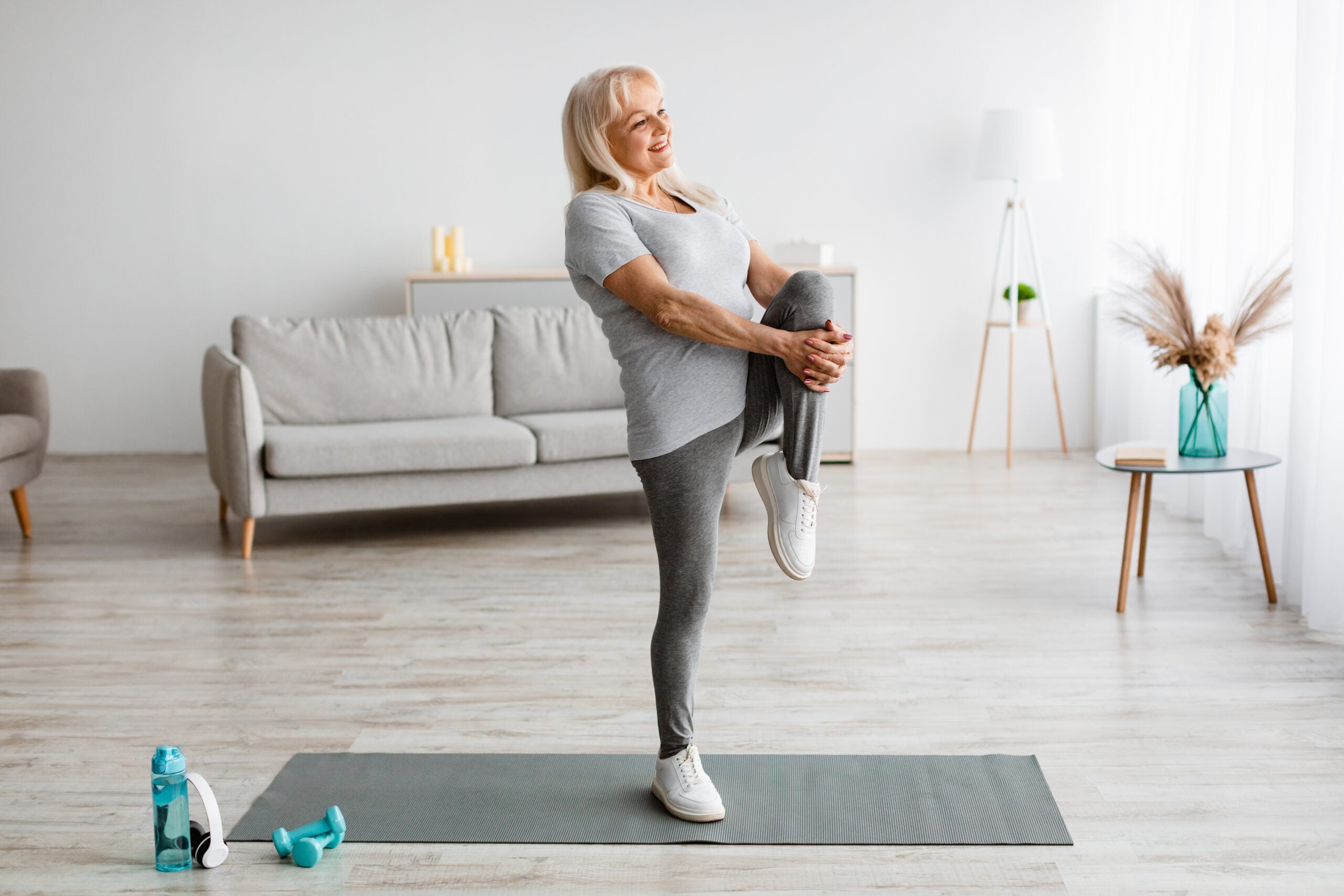
Living with osteoporosis: Healthy habits for everyday life
Managing osteoporosis isn’t just about doctors and medications: it’s also about how you live day to day. Adopting certain healt...

Women's Health
What Questions Should I Ask My Doctor About Menopause and HRT?
A menopause appointment is a conversation between you and your doctor — and conversations work well when both people are ready ...

Women's Health
What Happens in the Body During Menopause?
Menopause is more than the end of your periods. It is a natural change in your hormones that can affect many parts of the body ...

Women's Health
What Do FSH and Oestrogen Blood Test Results Mean?
If your doctor has suggested a blood test as part of investigating menopause, you may have come across terms like FSH, oestradi...
Women's Health
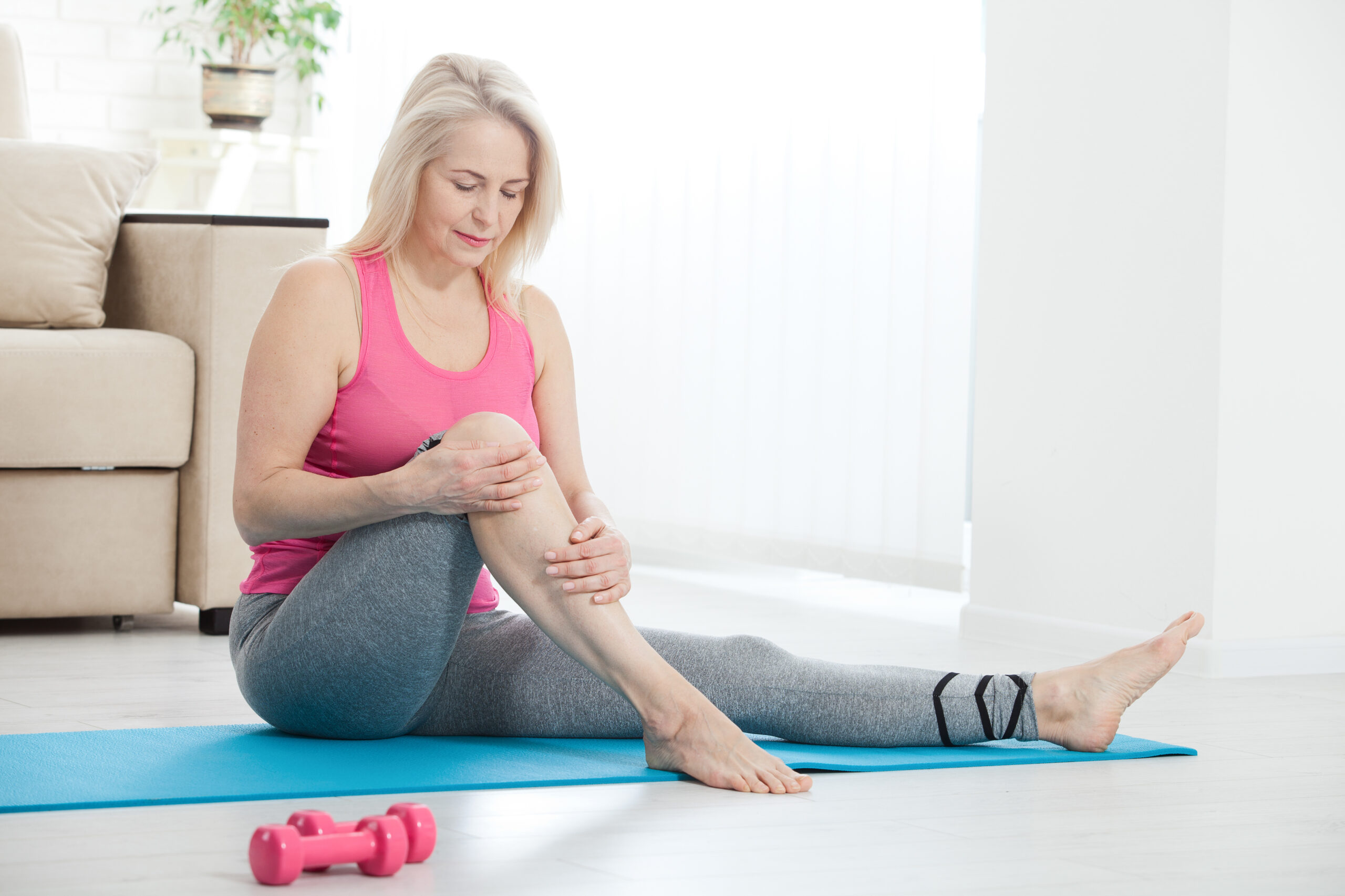
How Does Menopause Affect Bone Density and Osteoporosis Risk?
The years around menopause mark the most rapid period of bone loss in a woman’s life and significantly raise the risk of ...

Women's Health
How Do I Access Menopause Care and Who Should I See?
Knowing that support exists for menopause symptoms is one thing — knowing how to access it, who to see, and what to expect is a...

Women's Health
How Does Menopause Affect Memory and Concentration?
If you have found yourself forgetting words, losing your train of thought, or feeling like your mind is wrapped in fog, you are...

Women's Health
What causes hot flashes and what do they feel like
Hot flashes are the most commonly reported symptom of menopause, affecting the majority of women during the menopausal transiti...

Women's Health
Does Menopause Cause Weight Gain? What Women Really Need to Know
Many women notice changes in their weight and body shape during the menopausal transition.1 Weight gain around the midlife year...

Women's Health
Early and Premature Menopause: What It Means and What to Expect
Finding out that your body may be going through menopause earlier than expected can feel shocking, isolating, and deeply unfair...

Women's Health
Can menopause affect my mood and emotional wellbeing
Menopause can genuinely affect how you feel emotionally, and the changes can sometimes be just as disruptive as the physical sy...

Women's Health
How Is Menopause Diagnosed? What Every Woman Should Know
Menopause is a natural stage of life, usually confirmed by a doctor simply by listening to what you describe about your periods...

Women's Health
Menopause: What to expect in this new chapter
Menopause marks the permanent end of menstruation and a natural transition that every woman experiences.1 Most women have sympt...

Gastrointestinal
Tackling Irritable Bowel Syndrome Without Worry
Irritable bowel syndrome affects between 5% to 10% of people worldwide, causing recurring abdominal pain and unpredictable bowe...

Cardiometabolism
Feeling sluggish and cold? Is it your thyroid?
If you constantly feel tired, cold, and unable to complete daily tasks despite getting enough rest, your thyroid might be the c...

Cardiometabolism
Steps to a more confident heart after a scare
Experiencing a heart attack or cardiac diagnosis can shake your confidence and fill you with fear and uncertainty. However, car...

Gastrointestinal
Decoding stomach pain and its hidden messages
Abdominal pain is one of the common reasons people seek medical care, yet it can signal anything from minor digestive upset to ...

Gastrointestinal
Everyday techniques to cope with constipation
Constipation affects millions of people and significantly impacts daily life and productivity.1 Simple lifestyle modifications ...

Cardiometabolism
Blood pressure numbers made simple
Blood pressure readings consist of two measurements that measure the pressure in your arteries. It is conventionally separ...

Gastrointestinal
Bloating? Discover Why and What You Can Do
Bloating is one of the most common digestive complaints, affecting up to 30% of people globally. It often occurs as part of fun...

Women's Health
Endometriosis: You are not alone
Endometriosis affects approximately 10-15% of women of reproductive age worldwide, yet many feel isolated in their struggle.1 T...

Cardiometabolism
Thriving when living with type 2 diabetes
Type 2 diabetes affects millions globally10, but a diagnosis doesn’t mean surrendering to limitations. With evi...
Pain
Everyday ache, pain & fever: Causes you should know
Everyday aches, pains, and fevers are your body’s way of signaling that something needs attention-whether it is rest, hydration...

Respiratory
What to know about flu season
Flu season occurs predictably each year, typically peaking between December and March in the Northern Hemisphere.1 Influenza ac...

Oncology
ABBOTT MARKS WORLD CANCER DAY
Advancing cancer care by expanding access to science‑based solutions This World Cancer Day, Abbott honors every unique cancer s...

Biologics for HCPs
What are Biosimilars?
A biosimilar is a biological medicine that is highly similar to an already approved reference medicine in terms of structure, b...

Biologics for HCPs
Extrapolation
If a biosimilar is highly similar to a reference medicine and has comparable safety and efficacy in one therapeutic indication,...

Biologics for HCPs
Interchangeability
Interchangeability refers to the exchange of one medicine for another medicine that is expected to have the same clinical effec...

Biologics for HCPs
Approval Pathway
While small molecule development typically requires an investment of $2–3 million and takes 2–3 years, developing a biosimilar ...

Biologics for HCPs
Biosimilars Benefits
It is estimated that biosimilars will generate savings of up to $290 billion globally by 2027, freeing up healthcare systems to...

Biologics for HCPs
Articles of Interest
This section serves as a dedicated hub for a curated selection of scientific articles and studies that explore the efficacy and...