Everyday experiences with non-small cell lung cancer
October 28, 2026
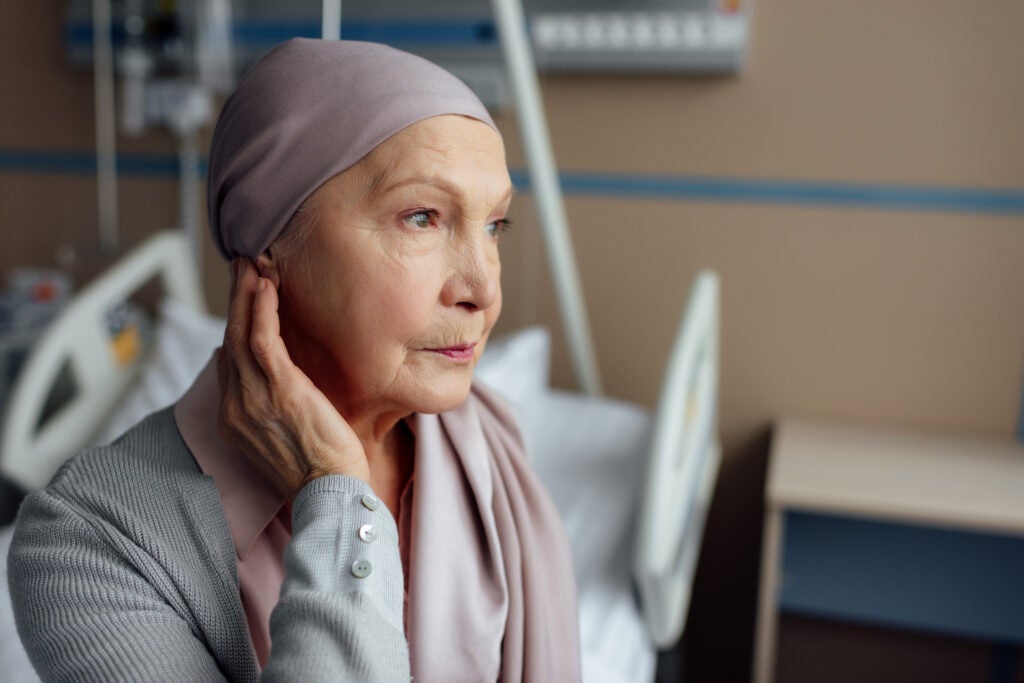
Non-small cell lung cancer affects far more than just physical health, impacting daily activities, relationships, work, and emotional wellbeing. Research shows that difficulty walking, sleep disturbance, anxiety and depression, impact on relationships, and difficulty doing daily tasks represent the most common challenges patients face.1 Understanding these everyday experiences helps validate what you’re going through and emphasizes that physical symptoms, emotional responses, and social impacts all deserve attention and support.
Living with non-small cell lung cancer means navigating challenges that extend well beyond doctor appointments and medical procedures. Research examining patient experiences reveals that this condition profoundly affects physical functioning, psychological wellbeing, and the ability to carry out routine activities that most people take for granted.1
Physical limitations in daily life
Difficulty walking represents one of the most frequently reported impacts of non-small cell lung cancer on daily life.2 Many patients describe being greatly affected by shortness of breath and fatigue, which limit their ability even to traverse their own homes.1 Studies examining patient perspectives found that shortness of breath restricted mobility so significantly that patients struggled with basic movements around their living spaces.2
Beyond walking difficulties, patients commonly experience challenges performing everyday tasks including cooking, cleaning, laundry, and grocery shopping. These limitations result from multiple symptoms working together, particularly shortness of breath, fatigue, and pain.1 After experiencing disease progression, ongoing physical decline often leaves patients bedbound for long periods, creating reliance on others for basic activities such as eating, washing, and dressing. This dependence often fosters a profound sense of lost dignity and independence.3
The symptom burden
Research examining quality of life in non-small cell lung cancer patients found that despite varied symptoms related to the disease and its treatment, patients reported moderate symptom burden, with the predominant symptoms being insomnia, loss of appetite, and fatigue.4 Other common symptoms include shortness of breath, pain, cough, nausea, and constipation.4,5 What many patients find particularly challenging is difficulty distinguishing whether symptoms stem from the disease itself or from treatment, as the two often blur together.2
Physical symptoms such as shortness of breath, fatigue, pain, and insomnia negatively affect quality of life in non-small cell lung cancer patients.4 Long-term survivors report that functional restrictions and symptoms can persist long after active treatment ends, affecting their ongoing daily experiences.6 Issues faced by survivors include respiratory problems, fatigue, persistent dyspnea and pain that continue impacting their lives months or years after treatment.6
Emotional and psychological impact
Sleep disturbance and anxiety or depression represent two of the most frequently mentioned impacts on patients’ daily lives.2 Many patients link their anxiety to an overwhelming sense that their disease is going to get worse, particularly during periods when their symptoms are minimal.1 This creates a paradox where even feeling relatively well doesn’t bring peace of mind.
Studies examining the patient experience identified fourteen impact-related concepts spanning three main domains including physical functioning, psychological functioning, and activities of daily living.1 The psychological burden encompasses not just anxiety and depression but also uncertainty about the future, fear of progression, and the emotional toll of adapting to a new reality. Patients often describe experiencing periods of hopefulness alternating with despair as their condition fluctuates.3
Impact on relationships and social roles
The diagnosis and experience of living with non-small cell lung cancer significantly affects relationships with family members, friends, and colleagues.3 Physical limitations and changes affect functional opportunities, but also emotional responses and capacity to adapt to daily disruptions.3 Family support becomes essential, particularly when patients attempt to change longstanding habits like smoking or need assistance with daily activities.3
Many patients describe feeling they’ve become a burden to their families, especially when requiring help with personal care tasks. The shift from independence to dependence fundamentally alters family dynamics and can strain even strong relationships. Beginning treatment often serves as a turning point, prompting patients to pursue healthier routines including improved diets and increased physical activity, though changing habits built over many years proves difficult even with family support.3
Finding meaning despite challenges
Despite these significant challenges, many patients report good overall quality of life, particularly in terms of cognitive and emotional functioning.4 Social support and resilience are associated with improved quality of life, emphasizing that connections and personal strength matter alongside medical care.4 Most patients consider even a one-point improvement in symptom severity to be meaningful based on their experiences over time.1 This suggests that small gains in managing symptoms or regaining function hold real significance for patients navigating daily life with non-small cell lung cancer.
Conclusion
Everyday experiences with non-small cell lung cancer extend far beyond physical symptoms to encompass profound impacts on daily functioning, relationships, and emotional wellbeing. Difficulty walking, sleep disturbance, anxiety and depression, impact on relationships, and difficulty performing routine tasks represent the most common challenges patients face.1,2 These limitations result from multiple symptoms including shortness of breath, fatigue, pain, and insomnia working together to restrict what you can do.4 The inability to distinguish whether symptoms stem from disease or treatment adds to the challenge.2
Physical decline can create dependence on others for basic activities, fundamentally altering family dynamics and creating feelings of lost dignity.3 Yet despite these significant burdens, many patients report maintaining good emotional and cognitive functioning, and social support along with personal resilience help improve overall quality of life.4 Understanding that these everyday impacts are normal and shared by many others living with non-small cell lung cancer validates your experience.
Don’t hesitate to discuss all dimensions of how the disease affects your life with your healthcare team, not just physical symptoms but also emotional concerns, functional limitations, and relationship impacts. Comprehensive care addressing physical, psychological, and social needs offers the best support for maintaining quality of life throughout your journey.
FAQ
Q: Why is walking so difficult with non-small cell lung cancer even for short distances?
A: Difficulty walking results from multiple symptoms working together, particularly shortness of breath and fatigue. Research shows that many patients find walking greatly affected by these symptoms, limiting their ability even to traverse their own homes.1 Shortness of breath makes your body work harder to get oxygen, leaving less energy for physical activities. Fatigue from both the disease and treatment compounds this challenge. Additionally, pain can make movement uncomfortable.1 These combined effects explain why what were once simple walks around your home or neighborhood now feel exhausting or impossible.
Q: How can I tell if my symptoms are from the cancer itself or from treatment?
A: Many patients struggle with this exact question, and research shows that distinguishing disease-related from treatment-related symptoms is often difficult and lacks clear separation. The reality is that symptoms frequently blur together, and many patients cannot distinguish the two sources. 1 Both the disease and treatment can cause fatigue, shortness of breath, pain, nausea, and other symptoms.4 Rather than worrying about the source, focus on reporting all symptoms to your healthcare team so they can help manage them effectively.
Q: Will I always feel this dependent on others or will I regain my independence?
A: The trajectory varies significantly among individuals depending on disease stage, treatment response, and overall health. Some patients regain substantial independence as treatment progresses and symptoms improve, while others experience ongoing physical decline requiring continued assistance.³ Long-term survivors report that some functional restrictions and symptoms persist even after active treatment ends.⁶ However, many adapt and find new ways to maintain quality of life. Focus on small gains, even modest improvements meaningful.
Q: Is it normal to feel anxious even when my symptoms are minimal?
A: Yes, this is very common. Research shows that many patients link their anxiety to an overwhelming sense that their disease will worsen, and this anxiety often persists even during periods when symptoms are minimal.1 This creates a challenging situation where feeling relatively well physically doesn’t bring emotional peace. The uncertainty about the future, fear of progression, and emotional burden are well-recognized aspects of the patient experience.3
References
- Cardellino A, Willey VJ, Hamm ME, Linn C, Schenfeld J. Perspectives of patients with advanced or metastatic non-small cell lung cancer on symptoms, impacts on daily activities, and thresholds for meaningful symptom improvement: a qualitative interview study. Front Psychol. 2023;14:1217793.
- American Journal of Managed Care. Patients with NSCLC describe experiences of symptoms on daily life. Published September 11, 2023. Accessed December 18, 2025.
- Tu H, Wang M, Yang S, Hong J. Experiences of Advanced Non-Small Cell Lung Cancer Patients with Targeted Therapy Using Journey Mapping: A Qualitative Study. Current Oncology. 2025;32(8):451.
- Stylianou C, Georgiadou E, Lampridis S, Sourtzi P, Patiraki E. Quality of life and symptom burden in non-small-cell lung cancer patients. Clin Pract. 2024;14(6):2422-2438.
- Araujo LH, Baldotto C, Castro G Jr, et al. Patient-centered outcomes in non-small-cell lung cancer: a real-world study from Brazil. Future Oncol. 2021;17(13):1593-1604.
- Hechtner M, Eichler M, Wehler B, et al. Quality of life in NSCLC survivors: a multicenter cross-sectional study. J Thorac Oncol. 2019;14(3):420-435.