


Stay steady: Preventing falls and fractures
October 1, 2026

For people with osteoporosis, preventing falls is just as important as treating the bone loss itself. Most osteoporosis-related fractures happen because of a fall.1 In fact, roughly 90% of hip fractures are caused by falling.2 This means that by reducing your risk of falls, you can greatly reduce your risk of broken bones. Unfortunately, as we age, falls become more common: more than one in four adults over 65 takes a fall each year.3 But falls are not an inevitable part of aging; there are many steps you can take to stay safe and steady on your feet.
Safety-proof your home: Simple changes in your living environment can significantly cut down fall hazards. Keep walkways clear of clutter and tripping hazards: remove loose cords and stacks of objects from the floor. Secure any throw rugs with non-slip backing or double-sided tape, or remove them entirely if possible. Make sure your home is well-lit: use bright bulbs in lamps and overhead lights, and consider nightlights in the bedroom and hallway for night-time visibility.4 Install sturdy handrails on all stairways (on both sides of the stairs if possible), and put grab bars in the bathroom near the toilet and inside/outside the tub or shower.4 Bathrooms and stairs are common sites for falls, so extra caution there pays off.
Watch your step (and your footwear): What you wear on your feet can affect your stability. Always wear shoes with good support and non-slip soles, even when indoors.4 Avoid walking around in socks, smooth-soled slippers, or any footwear that can easily skid. If you use a cane or walker, make sure it’s properly fitted to your height and that you use it whenever you feel even a bit unsteady. These devices can prevent a stumble from turning into a fall. When walking outdoors, try to stay on dry, level surfaces. In wet or icy conditions, slow down and take smaller steps; if sidewalks are slick, walking on grass can provide better traction .
Take care of your body: Improving your strength and balance through exercise Osteoporosis and exercise: Safe, effective ways to keep your bones strong is one of the most effective fall prevention strategies. Activities like balance training, tai chi, or gentle yoga can enhance your stability and confidence in moving around. Having strong leg muscles and good balance can often stop a trip or slip from becoming a fall.
Make sure to get your vision checked regularly – poor vision can cause you to misjudge steps or obstacles.
Also, review your medications with a doctor or pharmacist to identify any that might cause dizziness or drowsiness.5 Adjusting the timing or dosage of certain drugs can sometimes reduce side effects that affect balance. If you sometimes feel lightheaded when you stand up, mention it to your doctor, as it could be related to blood pressure or other treatable issues.
By creating a safer environment and staying vigilant about your health, you can greatly lower the chance of falls. It’s empowering to know that many falls (and the broken bones they cause) are preventable. Taking these precautions doesn’t mean you have to restrict your activities; in fact, they help you stay active with confidence. With your home optimized for safety and good habits in place, you can move about with greater peace of mind, despite having osteoporosis.
FAQ
1. Why is fall prevention important for people with osteoporosis?
Falls are the leading cause of fractures in people with osteoporosis, especially hip fractures.1 Preventing falls helps reduce the risk of serious injury.
2. What are the most common causes of falls in older adults?
Falls often result from poor lighting, cluttered walkways, slippery surfaces, improper footwear, and health issues like poor vision or medication side effects.6
3. How can I make my home safer to prevent falls?
Clear clutter, secure rugs, improve lighting, install handrails and grab bars, and use non-slip mats to reduce fall risks at home.4
4. Should I review my medications to prevent falls?
Absolutely. Some medications cause dizziness or drowsiness. A doctor or pharmacist can help adjust them to minimize side effects affecting balance.5
5. Are falls a normal part of aging?
No. While falls are more common with age, they are not inevitable. Many falls are preventable with proper precautions and awareness.
This article was written with the assistance of generative AI technology and reviewed for accuracy.
References
- Morrison A, Fan T, Sen SS, Weisenfluh L. Epidemiology of falls and osteoporotic fractures: a systematic review. Clinicoecon Outcomes Res. 2013;5:9-18. doi: 10.2147/CEOR.S38721. Epub 2012 Dec 28.
- Grisso JA. Prevention of falls in patients with osteoporosis. J Clin Rheumatol. 1997 Apr;3(2 Suppl):62-4.
- Older Adult Falls Data, CDC, https://www.cdc.gov/falls/data-research/index.html, Last accessed 30/09/2025
- Healthy Aging, Mayo Clinic, https://www.mayoclinic.org/healthy-lifestyle/healthy-aging/in-depth/fall-prevention/art-20047358 Last accessed 30/09/2025
- Medicines for Prevention and Treatment, Bone Health & Osteoporosis Foundation, https://www.bonehealthandosteoporosis.org/patients/treatment/medicationadherence/ Last accessed 30/09/2025
- Appeadu MK, Bordoni B. Falls and Fall Prevention in Older Adults. [Updated 2023 Jun 4]. In: StatPearls [Internet]. Treasure Island (FL): StatPearls Publishing; 2025 Jan-. Available from: https://www.ncbi.nlm.nih.gov/books/NBK560761/ Last accessed 30/09/2025





A global perspective: Osteoporosis around the world
October 1, 2026

Osteoporosis is a worldwide public health challenge. It’s not confined to any one country or region: populations across the globe are feeling its impact as people live longer. According to the International Osteoporosis Foundation, approximately 500 million people may be affected by osteoporosis globally.1 That includes men and women from every continent. The human cost is enormous: Worldwide, up to 37 million fragility fractures occur annually in individuals aged over 55, the equivalent of 70 fractures per minute.1 These breaks cause pain, disability, and loss of independence for millions of older adults.
An aging world = more fractures: The prevalence of osteoporosis is rising as the world’s population grows older.2 In 1990, health statisticians projected that by the year 2050, the number of hip fractures globally would skyrocket, increasing by 310% in men and 240% in women (compared to 1990 rates).1 In China and India (home to over a third of the world’s population), the rate of hip fractures is estimated to increase as more people reach older ages.3 This trend is sometimes called the coming “fracture tsunami.”4,5 Countries in Asia, which traditionally had younger populations, are projected to experience an increase in osteoporosis and fractures as life expectancy improves.5 Health systems worldwide are bracing for the strain: treating osteoporotic fractures is expensive (in terms of hospital care, surgeries, and rehabilitation) and it often requires long-term care support.6,7
Global disparities: There’s wide variation in calcium consumption and vitamin D levels across different regions, which affects bone health. In many developing countries, average calcium intake is far below recommended levels (often due to limited dairy in the diet).8 This can mean lower peak bone masses and higher risk later in life. Also, sunlight exposure (for vitamin D) varies. For example, people in Northern Europe get little winter sunlight, whereas many in the Middle East get sun but cover up for cultural or climate reasons, which can also lead to vitamin D deficiency.9-11 These factors partly explain differences in osteoporosis rates. However, even within high-income countries, certain ethnic groups may have less access to prevention and treatment, leading to disparities in outcomes. Awareness campaigns are crucial in every region to educate people about bone health – many individuals still consider osteoporosis a “Western” or “female-only” issue, which we know is not true.
World Osteoporosis Day and global action: To highlight this silent epidemic, October 20th is observed as World Osteoporosis Day each year. On this day, organizations around the world hold events to raise awareness about osteoporosis prevention, screening, and treatment. Governments and health ministries are increasingly recognizing osteoporosis as a priority, since fractures in the elderly can have huge economic and social costs. Despite this, there’s a large “treatment gap.” Studies indicate that worldwide, roughly 80% of people who have already suffered a fragility fracture (a break from a minor fall) are never diagnosed or treated for osteoporosis afterward.12 Closing this gap is a major focus of international bone health initiatives. Programs like fracture liaison services (FLS), which systematically follow up with patients who break a bone to ensure they get bone density testing and treatment, are being implemented in many hospitals globally to prevent that first fracture from leading to a second one.13 (https://www.osteoporosis.foundation/our-network)
In summary, osteoporosis is a global problem that requires global awareness. Wherever you live, the basic message is the same: build as much bone strength as you can when you’re young, and take steps to protect your bones as you age. On a policy level, health authorities need to ensure that at-risk populations are identified and treated. This will save healthcare costs and, more importantly, reduce human suffering.14 The world’s population is aging, but with concerted efforts in education, prevention, and treatment, we can hopefully turn the tide on osteoporosis and keep our older generations healthier and fracture-free.
FAQ
1. What is osteoporosis and why is it a global concern?
Osteoporosis is a condition that weakens bones, making them fragile and more likely to break. It affects over 500 million people worldwide and is a growing public health issue.1
2. Why are osteoporosis rates increasing worldwide?
As life expectancy rises, more people are living into older age, which increases the risk of osteoporosis and fractures globally.1
3. Which regions are most impacted by osteoporosis?
Osteoporosis affects every continent, but South Asia experienced the greatest burden. The burden was highest in women aged≥80 years and increased most rapidly in those aged≥95.2
4. What is the “fracture tsunami” in osteoporosis?
The term refers to the projected surge in osteoporotic fractures as global populations age, creating a major healthcare challenge.4,5
5. What is the osteoporosis treatment gap?
Around 80% of people who suffer a fragility fracture are never diagnosed or treated for osteoporosis, leaving them at risk for more fractures.12
This article was written with the assistance of generative AI technology and reviewed for accuracy.
References
-
- Epidemiology of osteoporosis and fragility fractures, International Osteoporosis Foundation, https://www.osteoporosis.foundation/facts-statistics/epidemiology-of-osteoporosis-and-fragility-fractures, Last accessed 01/10/2025
- Liang H, Chen S, Shi M, Xu J, Zhao C, Yang B, Zheng S, Tan J. Global epidemiology and burden of osteoporosis among postmenopausal women: insights from the Global Burden of Disease Study 2021. NPJ Aging. 2025 Sep 1;11(1):78.
- Cheung CL, Ang SB, Chadha M, Chow ES, Chung YS, Hew FL, Jaisamrarn U, Ng H, Takeuchi Y, Wu CH, Xia W, Yu J, Fujiwara S. An updated hip fracture projection in Asia: The Asian Federation of Osteoporosis Societies study. Osteoporos Sarcopenia. 2018 Mar;4(1):16-21.
- Cheung CL. Treatment adherence and risk of vertebral fracture. Osteoporos Sarcopenia. 2022 Dec;8(4):165.
- Cheung CL. Hip Fracture in Asia with a Special Focus in the Oldest Old: A Brief Review, Journal of Clinical Rheumatology and Immunology, VOL. 22, SUPPL. 1,2022,1–9
- AACE joins IOF in support of World Osteoporosis Day 2019, Biospace, https://www.biospace.com/aace-joins-iof-in-support-of-world-osteoporosis-day-2019, Last accessed 01/10/2025
- Office of the Surgeon General (US). Bone Health and Osteoporosis: A Report of the Surgeon General. Rockville (MD): Office of the Surgeon General (US); 2004. 5, The Burden of Bone Disease. Available from: https://www.ncbi.nlm.nih.gov/books/NBK45502/
- Balk EM, Adam GP, Langberg VN, Earley A, Clark P, Ebeling PR, Mithal A, Rizzoli R, Zerbini CAF, Pierroz DD, Dawson-Hughes B; International Osteoporosis Foundation Calcium Steering Committee. Global dietary calcium intake among adults: a systematic review. Osteoporos Int. 2017 Dec;28(12):3315-3324.
- Wacker M, Holick MF. Sunlight and Vitamin D: A global perspective for health. Dermatoendocrinol. 2013 Jan 1;5(1):51-108. doi: 10.4161/derm.24494.
- Laird E, Ward M, McSorley E, Strain JJ, Wallace J. Vitamin D and bone health: potential mechanisms. Nutrients. 2010 Jul;2(7):693-724.
- Alshamsi MA, Fatima W, Al Teneiji MT, Srinivasamurthy SK. Vitamin D status among apparently healthy individuals in the UAE: a systematic review. Front Nutr. 2025 Jul 9;12:1604819.
- Curtis EM, Moon RJ, Harvey NC, Cooper C. The impact of fragility fracture and approaches to osteoporosis risk assessment worldwide. Bone. 2017 Nov;104:29-38.
- Fracture Liaison Services, International Osteoporosis Foundation, https://www.osteoporosis.foundation/our-network Last accessed 01/10/2025
- Lewiecki EM, Ortendahl JD, Vanderpuye-Orgle J, Grauer A, Arellano J, Lemay J, Harmon AL, Broder MS, Singer AJ. Healthcare Policy Changes in Osteoporosis Can Improve Outcomes and Reduce Costs in the United States. JBMR Plus. 2019 May 13;3(9):e10192.

Moving forward after a miscarriage
October 1, 2026

Miscarriage affects approximately 15% of recognized pregnancies, meaning you’re not alone in this experience.1 The emotional impact including grief, anxiety, and isolation is real and valid, as is the physical recovery process. Understanding what to expect emotionally and physically, knowing that most women go on to have successful pregnancies, and recognizing the importance of support can help you navigate this difficult time with compassion for yourself.9
Experiencing a miscarriage is profoundly difficult, and the emotions you’re feeling are valid and real. Miscarriage occurs in approximately 15% of all recognized pregnancies, meaning millions of women worldwide share this painful experience.1 Understanding that you’re not alone and that what you’re experiencing is a normal response to loss can provide some comfort during this challenging time.
The emotional journey
The psychological impact of miscarriage is often underestimated, but research shows it can be significant and enduring.3 Women who experience miscarriage commonly report a spectrum of emotional responses including grief, anxiety, isolation, feelings of guilt, and depression.4 Studies examining the frequency of grief scores found a wide range, from 17% after pregnancy loss to 80% after stillbirth.2 Some women develop clinically significant depression, anxiety, or symptoms similar to post-traumatic stress disorder following miscarriage.3
It’s important to understand that these psychological responses are not signs of weakness or inability to cope. The grief you feel is a natural response to a real loss, and there’s no “correct” timeline for healing. Some women find their grief lessens relatively quickly, while others experience profound sadness that persists for months or longer.2 Both experiences are normal, and allowing yourself to feel whatever emotions arise without judgment is an important part of healing.
Understanding what happened
Most miscarriages occur due to chromosomal abnormalities in the developing embryo that are random events, not caused by anything you did or didn’t do.1 Understanding this can help reduce feelings of guilt and self-blame that many women experience.4 The risk of miscarriage increases with maternal age, with women over 35 having a higher risk, but miscarriage can happen to women of any age.1 Other contributing factors can include certain health conditions, but in most cases, miscarriage is not preventable.1
Looking toward future pregnancy
One of the most hopeful aspects to understand is that having one miscarriage does not necessarily predict future pregnancy loss.5 The vast majority of women who experience a single miscarriage go on to have successful pregnancies.5 Research shows that approximately 85% of women who have had one miscarriage will have a successful subsequent pregnancy.5 Even after two consecutive miscarriages, the chance of a successful next pregnancy remains around 75%.6
Most healthcare providers recommend waiting for at least one normal menstrual period before trying to conceive again, though this recommendation may vary based on individual circumstances.7 This waiting period allows your body to recover physically and gives you time to heal emotionally.7 However, there is no evidence that waiting longer periods improves pregnancy outcomes for most women who have experienced a single miscarriage.8
The importance of support
Having adequate support significantly impacts psychological recovery after miscarriage.3,9 Studies suggest that supportive follow-up care, such as empathetic communication, counseling, or opportunities to discuss the experience may help reduce psychological distress and support emotional recovery after miscarriage.3 Unfortunately, research also shows that many women feel their emotional needs are not adequately addressed by healthcare providers following miscarriage.3,9
Don’t hesitate to reach out for support, whether from your partner, family, friends, support groups, or mental health professionals. Talking about your experience, acknowledging your loss, and allowing others to support you are not signs of inability to cope but rather healthy ways of processing grief.9 Many women find that connecting with others who have experienced miscarriage helps them feel less alone and provides validation for their feelings.9 Remember that partners also grieve pregnancy loss, though they may express it differently.3 Supporting each other through this experience can strengthen your relationship.
Conclusion
Moving forward after a miscarriage is a deeply personal journey that involves both physical and emotional healing. The grief, anxiety, and other emotions you experience are normal responses to a real and significant loss. Understanding that miscarriage is common, usually caused by random chromosomal abnormalities beyond your control1, and does not typically prevent successful future pregnancies can provide some comfort. Most women who experience one miscarriage go on to have healthy pregnancies.5 Allow yourself time to grieve without judgment, seek support from loved ones and professionals when needed, and be patient with your healing process. There is no right or wrong way to feel, and no predetermined timeline for recovery. When you’re ready to think about future pregnancy, know that hope is justified, as the majority of women after miscarriage achieve successful pregnancies.5,6 Moving forward doesn’t mean forgetting your loss but rather integrating this experience into your life story while allowing yourself to heal and, when ready, to hope again.
This article was written with the assistance of generative AI technology and reviewed for accuracy.
Q&A
Q: Is it normal to feel such intense grief after a miscarriage even though it happened early in pregnancy?
A: Yes, intense grief after miscarriage is completely normal regardless of when the pregnancy loss occurred. Studies examining the frequency of grief scores found a wide range, from 17% after pregnancy loss to 80% after stillbirth.2 The emotional bond you formed with your pregnancy and the hopes you had for your baby were real, and your grief reflects that loss. There’s no correlation between how early the miscarriage occurred and how much grief you should feel. Allow yourself to grieve without judgment about whether your feelings are “appropriate.”
Q: Did I do something to cause my miscarriage?
A: In the vast majority of cases, miscarriage is not caused by anything you did or didn’t do. Most miscarriages occur due to random chromosomal abnormalities in the developing embryo that are not preventable.1 While certain health conditions can increase risk, and maternal age is a factor, most miscarriages happen due to circumstances completely beyond your control1. Understanding this can help reduce the guilt and self-blame that many women experience after pregnancy loss.4
Q: How long should I wait before trying to get pregnant again after a miscarriage?
A: Most healthcare providers recommend waiting for at least one normal menstrual period before trying to conceive again, though recommendations may vary based on your individual circumstances.7 This waiting period allows your body to recover physically and provides time for emotional healing.7 However, research shows there’s no evidence that waiting longer improves pregnancy outcomes for most women who have had a single miscarriage.8 The most important factors are that you feel physically recovered and emotionally ready to try again. Discuss your specific situation with your healthcare provider.
Q: What are my chances of having a successful pregnancy after miscarriage?
A: The outlook is very hopeful. Approximately 85% of women who experience one miscarriage go on to have a successful subsequent pregnancy.5 Even after two consecutive miscarriages, the chance of a successful next pregnancy remains around 75%.6 Having one miscarriage does not mean you’ll have another, as most miscarriages are caused by random chromosomal abnormalities rather than recurring problems. While this doesn’t diminish the pain of your loss, it provides reassurance that most women who experience miscarriage do eventually have healthy pregnancies and babies.
References
- Puscheck EE. Early pregnancy loss: overview. Medscape. Updated July 31, 2025. Accessed March 5, 2026. https://emedicine.medscape.com/article/266317-overview
- Mergl R, Quaatz SM, Edeler LM, Allgaier AK. Grief in women with previous miscarriage or stillbirth: a systematic review of cross-sectional and longitudinal prospective studies. Eur J Psychotraumatol. 2022;13(2):2108578.
- Lee L, Ma W, Davies S, Kammers M. Toward Optimal Emotional Care During the Experience of Miscarriage: An Integrative Review of the Perspectives of Women, Partners, and Health Care Providers. J Midwifery Womens Health. 2023;68(1):52-61.
- Bardos J, Hercz D, Friedenthal J, Missmer SA, Williams Z. A national survey on public perceptions of miscarriage. Obstet Gynecol. 2015;125(6):1313-1320
- University of New Mexico Health System. Miscarriages. Patient education document. Updated 2024. Accessed March 6, 2026. https://unmhealth.org/_media/files/womens-health/patient-education/miscarriages-english.pdf
- Duckitt K, Qureshi A. Recurrent miscarriage. BMJ Clin Evid. 2015; 2015:1409.
- Eunice Kennedy Shriver National Institute of Child Health and Human Development. Other FAQs about pregnancy loss (before 20 weeks of pregnancy). Last reviewed January 9, 2017. Accessed March 6, 2026. https://www.nichd.nih.gov/health/topics/pregnancyloss/more_information/faqs
- Wong LF, Schliep KC, Silver RM, et al. The effect of a very short interpregnancy interval and pregnancy outcomes following a previous pregnancy loss. Am J Obstet Gynecol. 2015;212(3):375.e1-375.e11.
- Alqassim MY, Kresnye KC, Siek KA, Lee J, Wolters MK. The miscarriage circle of care: towards leveraging online spaces for social support. BMC Womens Health. 2022;22(1):23.
Facing irregular periods with confidence
September 2, 2026

Irregular periods are common and can happen at any stage of reproductive life. A menstrual cycle is considered irregular if it’s shorter than 21 days or longer than 35 days, or if bleeding patterns are unpredictable.1 Thus, evaluating the factors associated with irregular menstruation is necessary to determine appropriate preventive and treatment strategies and to decrease the associated health problems.1
Irregular periods affect many women at some point in their reproductive years and understanding what’s happening in your body is the first step toward addressing concerns with confidence.1 Women are considered to have an irregular menstrual cycle if their cycle length is less than 21 days or more than 35 days, accompanied by lighter or much heavier blood flow than usual.1 The prevalence of menstrual cycle irregularities among women ranges from 5% to 35.6%, depending on age, country of residence, and occupation.1
Understanding common causes
Menstrual irregularity can occur at any age, but it is most common among women under the age of 23 years.2 Menstrual irregularity can occur due to various changes in your body, and identifying the underlying cause is essential for appropriate management. Hormonal imbalances represent the common reason for irregular periods. The endocrine system plays a key role in the rhythmicity of the menstrual cycle setting.3 Endocrine glands including the pituitary, thyroid, pancreas, adrenal glands, and ovaries all play functional roles in regulating your menstrual cycle.3
Polycystic ovary syndrome is one of the common causes of irregular periods, affecting many women of reproductive age.3 Thyroid disorders, whether your thyroid is overactive or underactive, commonly cause menstrual disturbances.3 In fact, oligomenorrhea, which means cycles longer than 35 days, is the most common menstrual disturbance seen in various endocrine disorders.3 Other factors contributing to irregular periods include stress, which can disrupt the hormonal signals controlling your cycle, significant genetic predisposition, obesity, excessive exercise, eating disorders, and certain medications.1
The impact on your life
Irregular bleeding directly and significantly affects women’s health-related quality of life. Research shows this impact is observable across multiple aspects of well-being, indicating that abnormal menstrual patterns are significant factors in reducing overall quality of life.4 Women having irregular bleeding leads to increased sexual distress and decreased sexual quality of life, and ultimately, these factors affect the reduction of health-related quality of life.4
Menstrual irregularity is a foremost gynecological concern and a cause of anxiety not just to women themselves but also to those close to them.2 For students and working women, unpredictable periods can disrupt academic performance, work attendance, and daily functioning.2,4 Understanding that these concerns are valid and shared by many women can help reduce the isolation or embarrassment you might feel about discussing menstrual irregularities.
When to seek medical evaluation
While occasional variations in cycle length are normal, certain patterns warrant medical attention. You should consult your healthcare provider if your periods consistently fall outside the normal range of 21 to 35 days, if you experience very heavy bleeding requiring frequent pad or tampon changes, if you have bleeding between periods, if your periods suddenly stop for three months or longer without pregnancy, or if you experience severe pain with your periods.5 Additionally, when irregular menstrual cycles are associated with features of underlying endocrine disorders such as hirsutism, acne, or changes in body weight, as seen in conditions like polycystic ovary syndrome or thyroid dysfunction, clinical evaluation is particularly important.3
Don’t hesitate to discuss your concerns with a healthcare provider. Keeping a menstrual calendar tracking the start date, duration, and flow heaviness of each period provides valuable information that helps your doctor identify patterns and potential causes.5 Many causes of irregular periods are treatable, and early evaluation can prevent complications and provide peace of mind.3
Moving forward with confidence
Understanding that irregular periods are common, have identifiable causes, and are often manageable empowers you to approach this concern proactively rather than worry or embarrassment. Maintaining a healthy lifestyle including balanced nutrition, regular moderate exercise, stress management, and adequate sleep supports overall hormonal balance. While lifestyle factors alone may not resolve all menstrual irregularities, they contribute to your overall reproductive health and wellbeing.1,5 Remember that seeking medical guidance is a sign of taking charge of your health, not a cause for shame or anxiety.
Conclusion
Facing irregular periods with confidence starts with understanding that menstrual cycle variations are common and affect many women across their reproductive years.1 Irregular periods have identifiable causes ranging from hormonal imbalances and endocrine disorders to stress and lifestyle factors.1,3 The impact on quality of life is real and significant, affecting not just physical comfort but also emotional wellbeing, daily functioning, and peace of mind.2,4
Recognizing when your cycle falls outside normal parameters and understanding when to seek medical evaluation empowers you to take proactive steps.5 Keep track of your menstrual patterns, don’t hesitate to discuss concerns with healthcare providers, and know that many causes of irregular periods are treatable.3,5 Moving forward with confidence means acknowledging your concerns as valid, seeking answers when needed, and recognizing that taking charge of your reproductive health is both important and empowering. You deserve care, answers, and the peace of mind that comes from understanding what’s happening in your body.
FAQ
Q: How do I know if my irregular periods are normal or if I should see a doctor?
A: Occasional cycle variations are normal, but you should consult a healthcare provider if your cycles consistently fall outside 21 to 35 days, if you experience very heavy bleeding, if you have bleeding between periods, if your periods stop for three months or longer without pregnancy, or if you have severe pain.5 Also seek evaluation if irregular periods come with other symptoms like excessive hair growth, significant unexplained weight changes, severe acne, or thyroid problems.3 Keeping a menstrual calendar helps identify patterns that warrant medical attention.5
Q: Can stress really affect my menstrual cycle?
A: Yes, stress is a recognized cause of menstrual irregularities.1 Stress can disrupt the hormonal signals that control your menstrual cycle, leading to delayed periods, missed periods, or changes in cycle length.1 The connection between stress and irregular periods is well-documented in medical literature. Managing stress through healthy coping strategies, adequate sleep, regular moderate exercise, and relaxation techniques can help support more regular cycles, though persistent irregularities despite stress management should still be evaluated medically.1,5,6
Q: What information should I track about my periods to help my doctor?
A: Keep a menstrual calendar tracking the start date of each period, how many days bleeding lasts, the heaviness of flow (light, moderate, heavy), any spotting between periods, and associated symptoms like pain, mood changes, or fatigue. Note patterns over at least three months. This information helps your healthcare provider identify whether your cycles are truly irregular, recognize potential patterns, and determine what tests or evaluations might be most helpful for identifying underlying causes.5
Q: Will irregular periods affect my ability to get pregnant in the future?
A: Irregular periods can sometimes indicate conditions that may affect fertility, such as polycystic ovary syndrome or thyroid disorders.1,3 Having irregular periods doesn’t automatically mean you can’t get pregnant. Many causes of irregular periods are treatable, and addressing the underlying cause often improves both cycle regularity and fertility.3,5 If you’re concerned about future fertility, discussing this with your healthcare provider allows for early evaluation and appropriate management of any conditions that could affect your ability to conceive.
This article was written with the assistance of generative AI technology and reviewed for accuracy.
References
- Attia GM, Alharbi OA, Aljohani RM. The Impact of Irregular Menstruation on Health: A Review of the Literature. Cureus. 2023;15(11).
- Mittiku YM, Mekonen H, Wogie G, Tizazu MA, Wake GE. Menstrual irregularity and its associated factors among college students in Ethiopia, 2021. Frontiers in Global Women’s Health. 2022;3.
- Saei Ghare Naz M, Rostami Dovom M, Ramezani Tehrani F. The Menstrual Disturbances in Endocrine Disorders: A Narrative Review. International Journal of Endocrinology and Metabolism. 2020;18(4).
- Velayati A, Khatami F, Heidari P. Factors affecting health-related quality of life in women with abnormal uterine bleeding: a comprehensive study. Sci Rep. 2025;15(1):2021
- Mayo Clinic. Menstrual cycle: What’s normal, what’s not. Mayo Clinic. Published 2023. Accessed on 08 April, 2026.
- Louissaint N, Araya S, Martin E, Mitchell J. Addressing the effects of stress on menstrual cycle regularity and symptoms: A review of contributing factors, racial disparities, and lifestyle interventions. 2025. Available at the PCOM Digital Commons.
Osteoporosis uncovered: Why managing bone health matters
September 2, 2026

Think of your bones as the scaffolding that holds you up. In youth, that scaffolding is solid, with a strong, tightly packed “honeycomb” structure inside. With osteoporosis, that honeycomb develops bigger holes, a little like a sponge, making the bone weaker and easier to break.1 This change happens silently over time. You can’t feel your bones getting thinner, which is why osteoporosis is often called a “silent disease.” For many people, the first sign is a broken bone from something minor, like a small fall or even a cough.1,2
But there’s an important message here: you are not powerless against osteoporosis.
How common is osteoporosis?
Osteoporosis is very common, especially as we get older. Around the world, about one in three women and one in five men over age 50 will experience a fracture linked to osteoporosis. That’s about 200 million people globally who share this challenge.3 Women after menopause are most affected because their bone loss speeds up when estrogen levels drop. But men are not immune. They, too, can have weak bones later in life, and their fractures can be just as serious.2
Why it matters
Some fractures are more than just a temporary setback. Hip and spine fractures can affect your independence and ability to move around. A hip fracture, for example, often requires surgery and rehabilitation, and some people need help with walking even a year later.4 These injuries can also affect confidence and mental well-being. But here’s the hopeful part: these fractures are not inevitable. Knowing your risk early and taking action can dramatically change your future.
The power of prevention
Osteoporosis may sound frightening, but there’s a lot you can do to stay strong. Today, we know far more about prevention and treatment than ever before. Simple, everyday actions go a long way:
- Eat for your bones: Calcium-rich foods (like dairy, leafy greens, or fortified plant milks) and vitamin D (from sunlight, fish, or supplements if needed) give your bones the nutrients they need.
- Move with purpose: Weight-bearing exercises or light strength training encourage bones to stay dense and muscles to stay strong, which also helps prevent falls.
- Ditch harmful habits: Smoking and excessive alcohol speed up bone loss – quitting or cutting back can protect your skeleton.
- Get checked: A quick, painless bone density scan (DXA) can reveal if your bones are thinning, often before a fracture happens.5
Treatment that works
If you’re diagnosed with osteoporosis, you’re not alone and you have effective treatment options. Doctors can prescribe medications that slow bone breakdown or even help build new bone. Studies show that these treatments can reduce the risk of hip fractures by about 40% and spine fractures by up to 70%. That’s a big win for your mobility and independence.6
The bottom line
Osteoporosis is common, but it doesn’t have to define your future. By learning about your bone health, making smart lifestyle choices, and working with your doctor if needed, you can stay active, independent, and confident. Strong bones mean freedom to keep doing what you love and that’s something worth protecting.
FAQ
Q1. What is osteoporosis in simple terms?
Osteoporosis is a condition where bones become weak because they lose important minerals like calcium. This makes the bones thinner and more fragile, almost like a sponge, so they can break more easily, even with minor falls or injuries.1
Q2. Which fractures worry doctors most?
Hip and spine fractures are linked to pain, loss of independence, and other complications.1
Q3. Can medicine really lower fracture risk?
Yes. Guideline-supported drugs lower hip and spine fractures meaningfully in high-risk patients.6
Q4. Do men get osteoporosis too?
Yes. Men also lose bone with age and can have serious fractures.2
Q5. Who should I talk to first?
Start with your primary care clinician; they can order a bone density scan and use risk tools.
This article was written with the assistance of generative AI technology and reviewed for accuracy.
References
- What is Osteoporosis? International Osteoporosis Foundation.
https://www.osteoporosis.foundation/patients/about-osteoporosis Last accessed 15/09/2025 - Osteoporosis, National Institute of Arthritis and Musculoskeletal and Skin Diseases, https://www.niams.nih.gov/health-topics/osteoporosis, Last accessed 16/09/2025
- A fracture every 3 seconds worldwide.That’s osteoporosis!, International Osteoporosis Foundation, https://www.osteoporosis.foundation/news/fracture-every-3-seconds-worldwidethats-osteoporosis-20191018-0900, Last accessed 16/09/2025
- Zare Z, Ghane G, Shahsavari H, Ahmadnia S, Ghiyasvandian S. Social Life After Hip Fracture: A Qualitative Study. J Patient Exp. 2024 Mar 28;11:23743735241241174.
- Osteoporosis prevention, International Osteoporosis Foundation, https://www.osteoporosis.foundation/patients/prevention Last accessed 16/09/2025
- Osteoporosis treatments, International Osteoporosis Foundation, https://www.osteoporosis.foundation/patients/treatment Last accessed 16/09/2025
Nourish your bones naturally: Smart food choices for osteoporosis
September 2, 2026

Food is one of your most powerful tools for building and maintaining strong bones. Think of your bones as a living bank: every day, minerals are being deposited and withdrawn. When you don’t get enough nutrients, your body “withdraws” calcium from your bones to keep vital functions going, leaving them thinner and weaker over time.1 The good news is you can keep your bone bank healthy by feeding it the right building blocks, especially calcium and vitamin D.
Calcium and Vitamin D: Your Bone Allies
Calcium is the main mineral in bone, giving it strength and structure. Without enough calcium over time, bones can become weaker and more prone to fractures. Vitamin D is the “key” that helps your body absorb calcium from food and put it into your bones where it belongs. Together, these two nutrients slow bone loss and keep bones resilient.1
How Much Do You Need?
- Calcium: Women over 50 and men over 70 should aim for about 1,200 mg per day.1 That’s roughly four servings of dairy,2 but calcium also comes from leafy greens (collard greens, bok choy, kale), canned salmon or sardines with soft bones, almonds, and fortified foods like plant-based milks or orange juice.3
- Vitamin D: Adults over 50 generally need at least 800 IU (international units) per day.4 Your skin can make vitamin D from sunlight, but aging, sunscreen use, and indoor lifestyles may limit this natural source. Good dietary sources include fatty fish like salmon, egg yolks, liver (avoid liver if you’re pregnant), and fortified milk or cereal.5
Tip: Spread your calcium intake throughout the day. Your body absorbs smaller amounts more efficiently.
The Bigger Picture: A Bone-Friendly Plate
Your overall eating pattern matters as much as individual nutrients. Fill your plate with a variety of colorful fruits and vegetables, which provide magnesium, potassium, vitamin K, and antioxidants that help maintain bone health. Include lean proteins. They form part of the bone matrix and help maintain muscle mass, which lowers your risk of falls.6,7
Be cautious with fad diets or severe calorie restriction. Crash dieting or eating too little protein can actually trigger bone loss and raise fracture risk. The goal isn’t just to be “thin,” it’s to be strong and nourished.8
Supplements: A Helpful Backup
If you find it hard to meet your calcium or vitamin D needs from food alone, supplements can fill the gap. Many people with osteoporosis benefit from them, but it’s important to take the right type and dose. More is not always better. Excessive calcium or vitamin D can cause kidney stones or other issues. Your healthcare provider can recommend the right amount for you and check your blood levels if needed.9
The Bottom Line
Eating well for your bones doesn’t have to be complicated or restrictive. With balanced meals, colorful produce, adequate protein, and enough calcium and vitamin D, plus safe supplementation if needed, you can give your skeleton what it needs to stay strong. Nourishing your bones is not just about preventing fractures. It’s about keeping you active, independent, and ready to enjoy life for years to come.
FAQ
Q1. How much calcium do adults need?
Most adults need ~1,000 mg per day; Women over 50 and men over 70 should aim for about 1,200 mg.1
Q2. Why does vitamin D matter?
It helps your body absorb calcium and maintain bone. Together with calcium it helps to prevent osteoporosis.1
Q3. Is food better than supplements?
Prefer food first; use supplements if you can’t meet targets (discuss dose with a clinician).11
Q4. Can I take “too much” vitamin D?
Yes. Excess can cause high calcium and other problems; avoid very high doses unless prescribed.10
Q5. Do soda or caffeine “leach” calcium?
While phosphoric acid in some sodas can leach calcium from bones, this occurs only with a significant amount of phosphoric acid. “you’re not going to get that in a soda or two or three.” Only very high caffeine intake (more than 500 mg per day) may interfere with calcium absorption.12
This article was written with the assistance of generative AI technology and reviewed for accuracy.
References
- Calcium and Vitamin D: Important for Bone Health, National Institute of Arthritis and Musculoskeletal and Skin Diseases, https://www.niams.nih.gov/health-topics/calcium-and-vitamin-d-important-bone-health, Last accessed 19/09/2025
- Calcium content of foods, UCSF Health, https://www.ucsfhealth.org/education/calcium-content-of-foods, Last accessed 19/09/2025
- Calcium Content of Common Foods, Healthy Bones Australia, https://healthybonesaustralia.org.au/wp-content/uploads/2022/10/calcium-rich-food-list_en_1_healthybonesaustralia-iof-version-draft-1.pdf Last accessed 19/09/2025
- Get the Facts on Calcium and Vitamin D, Bone Health and Osteoporosis Foundation, https://www.bonehealthandosteoporosis.org/patients/treatment/calciumvitamin-d/get-the-facts-on-calcium-and-vitamin-d/ Last accessed 19/09/2025
- Vitamin D, NHS, https://www.nhs.uk/conditions/vitamins-and-minerals/vitamin-d/, Last accessed 19/09/2025
- Muñoz-Garach A, García-Fontana B, Muñoz-Torres M. Nutrients and Dietary Patterns Related to Osteoporosis. Nutrients. 2020 Jul 3;12(7):1986.
- Mayo Clinic Q and A: Osteoporosis and a bone-healthy diet, Mayo Clinic, https://newsnetwork.mayoclinic.org/discussion/mayo-clinic-q-and-a-osteoporosis-and-a-bone-healthy-diet/ Last accessed 19/09/2025
- Liu X, Wu Y, Bennett S, Zou J, Xu J, Zhang L. The Effects of Different Dietary Patterns on Bone Health. Nutrients. 2024 Jul 17;16(14):2289.
- Nutrition and healthy eating, Mayo Clinic, https://www.mayoclinic.org/healthy-lifestyle/nutrition-and-healthy-eating/in-depth/calcium-supplements/art-20047097, Last accessed 19/09/2025
- Vitamin D, National Institute of Health, https://ods.od.nih.gov/factsheets/VitaminD-Consumer/, Last accessed 19/09/2025
- NOF Online Community Frequently Asked Questions, National Ostoporosis Foundation, https://www.bonehealthandosteoporosis.org/wp-content/uploads/Online-Community-FAQs-FINAL-11.20.19.pdf Last accessed 19/09/2025
- Simple Steps to Stronger Bones, From an Osteoporosis Doctor, WebMD, https://www.webmd.com/osteoporosis/features/lifestyle-tips Last accessed 19/09/2025
Menopause and thyroid symptoms: Understanding the overlap
July 29, 2026

Menopause and thyroid disease can cause similar symptoms. Both conditions can disrupt sleep, mood, weight, and energy.1,2 When they occur at the same time, symptoms may be mistakenly attributed to one condition when both need attention.1 Understanding how menopause and thyroid disease interact is an important first step toward getting the right diagnosis and the right care.
What is menopause, and what does it feel like?
Natural menopause is defined as the absence of menstrual periods for at least 12 months and typically occurs around age 51 in Europe.3 The years leading up to this point, called perimenopause, involve a gradual fall in oestrogen levels, irregular periods, and a range of physical and emotional symptoms. This transition can last two to four years.3 When menopause occurs before age 40, it is called premature ovarian insufficiency (POI).3
What are the most common symptoms?
The most common symptoms of menopause include hot flushes, night sweats, low mood, sleep disturbances, vaginal dryness, joint discomfort, and anxiety.1,3 These symptoms vary widely between women in their nature and severity. Because many are non-specific, they can easily be confused with those of other conditions, most notably thyroid disease.1,2
Can thyroid disease cause symptoms that are similar to menopause?
Yes. Thyroid disease and menopause share many of the same symptoms, making it genuinely difficult to tell the two conditions apart.
Which symptoms do they share?
Both hypothyroidism (underactive thyroid) and hyperthyroidism (overactive thyroid) may overlap with symptoms of menopause.1 Shared symptoms include menstrual irregularities, mood disorders such as anxiety and depression, hair loss, reduced sex drive, and a general decline in quality of life.1,2 Sleep disturbances are particularly associated with hyperthyroidism, which can cause insomnia that may overlap with perimenopause-related sleep problems.1
Hyperthyroidism, in particular, can cause increased sweating and tremor symptoms that may be confused with hot flushes.1,2
Hypothyroidism may lead to weight gain, fatigue, and low mood symptoms also commonly reported during the menopausal transition.2,3 Cold intolerance is a recognized feature of hypothyroidism, but is not a typical symptom of menopause; its presence alongside other overlapping symptoms may help guide clinical investigation.2
Are there signs that help tell the two conditions apart?
Some signs are more specific to thyroid disease, such as a visible enlargement of the thyroid gland (goitre), eye changes associated with Graves’ disease, or pronounced cold intolerance.1,2 However, these signs are not always present, especially in early or mild thyroid dysfunction, making laboratory testing essential.1,2
Why does this overlap lead to delayed diagnosis?
Without distinct signs pointing clearly to one condition, symptoms may be attributed to menopause when thyroid disease is also present.1 This can result in delayed diagnosis and unnecessary suffering. Healthcare professionals who work with midlife women are encouraged to maintain a low threshold of suspicion for thyroid testing when menopause-like symptoms are present.1
Can menopause trigger or worsen thyroid problems?
The menopausal transition may be associated with several changes in thyroid health, including a higher risk of thyroid nodules, an influence on thyroid cancer risk, and a possible worsening of autoimmune thyroid conditions.
Does menopause affect the risk of thyroid nodules or thyroid cancer?
The incidence of thyroid nodules increases with age, and more markedly in women than in men.1
Natural menopause appears to be associated with a decreased incidence of thyroid cancer whereas, surgical menopause is associated with an increased risk of thyroid cancer.1
Early menarche (first menstrual cycle of a teenager) and late natural menopause have also been linked to thyroid cancer, suggesting that the overall duration of oestrogen exposure may play a role.1
Women with a history of surgical menopause, early menarche, or late natural menopause may benefit from thyroid evaluation as part of their ongoing care.1
How does menopause interact with autoimmune thyroid conditions?
Autoimmune thyroid conditions, such as Hashimoto’s thyroiditis, are among the most common endocrine disorders in women with premature ovarian insufficiency (POI).4 Subclinical hypothyroidism, often caused by autoimmune thyroiditis, affects 6 to 10% of women and frequently arises or continues during the menopausal transition.1
Thyroid autoimmunity is also significantly more prevalent in women with premature ovarian insufficiency.4 The precise mechanisms behind this association are still being investigated, and evidence in this specific area remains limited.
Can the combination of menopause and thyroid dysfunction affect metabolic health?
Both menopause and thyroid disease can independently affect metabolism and together, their effects may be compounded. Low thyroid hormone levels have been associated with insulin resistance, an association that appears more pronounced in postmenopausal women.1
Subclinical hypothyroidism has been associated with elevated cholesterol levels and increased cardiovascular risk.1 Non-alcoholic fatty liver disease (NAFLD) also becomes more prevalent after menopause, and evidence suggests that thyroid hormone levels may contribute alongside other hormonal and metabolic changes; however, this relationship is part of a broader metabolic picture and should not be attributed solely to subclinical hypothyroidism.1
Clinicians are encouraged to assess lipid levels in women with both thyroid dysfunction and menopausal status.1
Should thyroid function be checked in women experiencing menopause symptoms?
Yes. Thyroid testing is recommended for midlife women, particularly those with symptoms that could be related to thyroid dysfunction.
Who should be tested, and how often?
The American Thyroid Association recommends that all adults have their thyroid-stimulating hormone (TSH) level measured starting at age 35, and every five years thereafter.2 This recommendation is especially important in women, who have a higher prevalence of thyroid dysfunction.2 Those with risk factors, including a personal or family history of thyroid disease, diabetes, or pernicious anemia and adrenal insufficiency, may require more frequent testing.2
What does a thyroid test involve?
A blood test measuring TSH is the single most reliable way to detect the most common forms of hypothyroidism and hyperthyroidism.2 If TSH levels are abnormal, serum FT4 measurement and serum triiodothyronine(T3) assay in patients with a normal serum FT4 level are indicated to further assess patients.2 This is a safe, widely available, and relatively low-cost test.2
Can common supplements interfere with thyroid test results?
Yes, and this is an important, often overlooked issue. Many women going through menopause take biotin (vitamin B7) supplements for hair or skin concerns.1 Biotin can interfere with thyroid immunoassays and lead to falsely abnormal results, either falsely low or falsely high, depending on the type of test used.1 Women taking biotin-containing supplements should stop them two to three days before any thyroid blood test and always inform their healthcare provider about all supplements they are taking.1
Why is it important to talk to a doctor rather than self-diagnose?
The overlap between menopause and thyroid disease is real, and navigating it safely requires professional assessment.
Symptoms such as fatigue, mood changes, hair loss, sleep disturbances, and weight shifts can have many causes.1,2 Assuming these symptoms are “just menopause” without clinical evaluation risks missing a treatable thyroid condition and the reverse is equally true. A blood test is the only reliable way to confirm or rule out thyroid dysfunction.2
A personalised approach is always recommended. Clinical decisions should take into account a woman’s full medical and family history, her specific symptoms, and her individual preferences and should always be made in partnership with a qualified healthcare professional.1 If you are experiencing symptoms that concern you, speaking with your doctor is the most important first step.
Conclusion
Menopause and thyroid disease share many symptoms, making diagnosis more complex than it might first appear. The menopausal transition may also influence thyroid health in several ways from changes in thyroid nodule risk to interactions with autoimmune thyroid conditions and metabolic function. Thyroid screening is recommended for all adults from age 35, and awareness of factors like biotin supplementation can improve test accuracy. If you are unsure whether your symptoms could be related to your thyroid, a conversation with your healthcare team is always the right place to start.
FAQ
1. Can menopause and thyroid disease occur at the same time?
Yes. Menopause and thyroid disease can and frequently do occur together. Both conditions are common in women during midlife, and their overlapping symptoms may complicate diagnosis.1 A blood test measuring TSH is the most reliable way to identify thyroid dysfunction.2
2. How can I tell if my symptoms are from menopause or thyroid disease?
It can be difficult to tell the two conditions apart based on symptoms alone, as they share many of the same signs, including mood changes, fatigue, hair loss, and menstrual irregularities; sleep disturbances are more specifically associated with hyperthyroidism.1,2 Symptoms more specific to thyroid disease, such as a goitre, eye changes associated with Graves’ disease, or marked cold intolerance, may be absent in mild cases.1 A thyroid blood test is the only reliable way to differentiate between the two.2
3. At what age should women start getting thyroid tests?
The American Thyroid Association recommends that all adults begin thyroid screening at age 35, with tests repeated every five years.2 Women with risk factors, including a family history of thyroid disease, autoimmune conditions, or diabetes, may need earlier or more frequent testing.2 This recommendation is considered especially important in women.2
4. What is the most accurate test for thyroid function?
A blood test measuring thyroid-stimulating hormone (TSH) is the single most reliable test for detecting common forms of hypothyroidism and hyperthyroidism.2 If TSH levels are abnormal, serum FT4 measurement and serum triiodothyronine(T3) assay in patients with a normal serum FT4 level are indicated to further assess patients.2 This test is safe, widely available, and relatively low-cost.2
5. Can biotin supplements really affect thyroid test results?
Yes. Biotin (vitamin B7), commonly found in hair and skin supplements, can interfere with thyroid immunoassays and produce falsely abnormal results.1 Biotin can cause falsely low results in some tests and falsely high results in others, depending on the assay type.1 Women taking biotin supplements should stop them two to three days before a thyroid blood test and inform their healthcare provider.1
6. Does thyroid dysfunction affect cholesterol or cardiovascular risk during menopause?
Subclinical hypothyroidism has been associated with elevated triglyceride levels, higher total cholesterol, and increased cardiovascular risk.1 These metabolic effects appear more pronounced in postmenopausal women, suggesting a compounding effect of thyroid dysfunction and oestrogen decline.1 Clinicians are advised to assess lipid levels in women with both menopausal status and thyroid dysfunction.1
7. Is autoimmune thyroid disease more common in women with premature ovarian insufficiency?
Yes. Thyroid autoimmunity is significantly more prevalent in women with premature ovarian insufficiency.4 A broader immune dysregulation is thought to contribute to both conditions, though the precise mechanisms are not fully understood.4 Women diagnosed with POI may benefit from screening for autoimmune thyroid conditions.1
This article was written with the assistance of generative AI technology and reviewed for accuracy.
References
- Mintziori G, Veneti S, Poppe K, Goulis DG, Armeni E, Erel CT, Fistonić I, Hillard T, Hirschberg AL, Meczekalski B, Mendoza N, Mueck AO, Simoncini T, Stute P, van Dijken D, Rees M, Duntas L, Lambrinoudaki I. EMAS position statement: Thyroid disease and menopause. Maturitas. 2024 Jul;185:107991.
- Ladenson PW, Singer PA, Ain KB, Bagchi N, Bigos ST, Levy EG, Smith SA, Daniels GH, Cohen HD. American Thyroid Association guidelines for detection of thyroid dysfunction. Arch Intern Med. 2000 Jun 12;160(11):1573-5.
- Lumsden MA, Dekkers OM, Faubion SS, Lindén Hirschberg A, Jayasena CN, Lambrinoudaki I, Louwers Y, Pinkerton JV, Sojat AS, van Hulsteijn L. European society of endocrinology clinical practice guideline for evaluation and management of menopause and the perimenopause. Eur J Endocrinol. 2025 Sep 30;193(4):G49-G81.
- Motta F, Di Simone N, Selmi C. The Impact of Menopause on Autoimmune and Rheumatic Diseases. Clin Rev Allergy Immunol. 2025 Mar 21;68(1):32.
Your partner and menopause: A science-based guide for partners
July 29, 2026

Menopause eventually happens to every woman, and it often affects the people closest to her too. If your partner is going through this transition, you may have questions: What is actually happening to her body? Why do some days feel harder than others? And is there anything you can do that genuinely helps?
What is actually happening during the menopause transition?
Menopause marks the end of a woman’s menstrual cycles and is confirmed after 12 months without a period. The process leading up to that point — called perimenopause — typically begins around age 47 and lasts approximately four years before the final period arrives.1
During the transition, levels of estradiol (a key estrogen) and FSH (Follicle-Stimulating Hormone) fluctuate widely, then estradiol drops steeply in the late perimenopause and first years of postmenopause. Follicle-stimulating hormone (FSH) rises as the ovaries slow down.2 These hormonal shifts are behind most of the changes your partner may be experiencing.
There are three main stages:
- Perimenopause: Menstrual cycles become irregular. Symptoms often begin here.
- Menopause: Defined as 12 consecutive months without a period.
- Postmenopause: The years that follow. Some symptoms ease over time; others, like vaginal dryness, may persist.1,2
Understanding these stages helps both of you know where you are in the process — and what to reasonably expect next.
What symptoms might your partner experience and why does it vary so much?
No two women go through menopause in exactly the same way. Some have few or no symptoms. Others are significantly affected for years.1,2
The most commonly reported symptoms include:
- Hot flashes and night sweats (called vasomotor symptoms): Between 60% and 80% of women experience these at some point during the transition. For about one in three women, they occur frequently or are rated as moderate to severe.2
- Sleep disturbances: Between 40% and 60% of women report substantial sleep problems during this period.2
- Mood changes: Irritability, anxiety, and low mood are frequently reported, though they are not universal.2,4
- Memory and concentration difficulties: Between 44% and 62% of women report cognitive symptoms such as forgetting words or struggling to focus. These are typically subtle and often temporary.2
- Changes in sexual function: For many women, sexual function worsens during the transition. Reduced desire is the most commonly reported problem.2 Vaginal dryness and discomfort during sex may also occur, particularly after menopause.1,2
Why does the experience vary so much? Factors include age, overall health, ethnicity, lifestyle, and importantly how menopause is perceived and approached.1,2,3
Does the way menopause is viewed affect how it is experienced?
The evidence suggests it may. Women who hold more negative attitudes toward menopause tend to report more symptoms than those with neutral or positive attitudes.3 This finding comes from a systematic review of 13 studies. Of these, 10 supported the link between more negative attitudes and more symptoms; 3 found no significant association.3
One study within that review followed women before and after they reached menopause: those who had more negative views beforehand went on to report more frequent hot flashes later.3
Negative expectations toward menopause are also associated with a higher risk of depressive symptoms during the transition.4 Research supports a model in which attitudes and perceptions may shape the physical and psychological experience of menopause.2
Another study found that partners’ attitudes toward menopause tend to align: wives with positive attitudes tended to have husbands with positive attitudes.3 This is a correlational finding and does not establish that a partner’s attitude directly causes changes in symptom severity.
That said, approaching this period with openness rather than fear or dismissiveness may contribute to a more positive experience for both of you.1,3
Does emotional distress from life stressors make menopause symptoms worse?
Yes, and the evidence here is clearer. A study following 2,718 women over nine years found that being currently emotionally upset by a stressful life event was associated with 21% more vasomotor symptoms compared to women who had experienced no such stressor.5
What matters most is not the stressor itself but the degree to which the woman is emotionally distressed by it.5 Women who had gone through a difficult event but were not upset by it showed no statistically significant increase in symptoms. This points to emotional wellbeing as an important factor in the menopause experience.5
Midlife also tends to bring multiple stressors at once: the death of a parent, children leaving home, or relationship problems.4,5 For many women, menopause arrives in the middle of all of this. Being mindful of that context, and avoiding adding unnecessary pressure, is relevant for anyone close to a woman at this stage of life.
What does the evidence say about social support during the menopause transition?
The evidence is more nuanced, and the real picture is more complex than many popular guides suggest.
One study specifically tested whether having people to confide in, listen, help at home, or accompany to medical appointments reduced vasomotor symptoms or buffered against the effects of stress. The researchers suggested that support targeted specifically to the menopause experience may be more meaningful than general availability of support.1,5
What does appear to help is a different kind of presence: listening with empathy, validating a woman’s experience, and not dismissing or minimising what she is going through.5 An empowerment approach — where women feel heard, informed, and in control of their own care — is associated with a better experience of the transition.1
Increasing social support is also identified as a potentially modifiable protective factor against depressive symptoms during menopause.4 Maintaining a steady, supportive presence may be more impactful than any single action for women going through menopause.
When is professional support needed, and what options exist?
Not every woman will need medical treatment — but some do, and knowing when to encourage your partner to seek help matters. Professional support should be sought when menopausal symptoms, physical or psychological, become persistent, severe, or begin to impair daily functioning, quality of life, or relationships.1,4
Evidence shows that symptom burden may be amplified by stress and limited social support, highlighting the importance of timely intervention.1,5 Specific risk factors for depressive symptoms during the menopause transition include: a prior history of depression, severe or nocturnal vasomotor symptoms, significant sleep disturbance, and a prolonged transition.4 Women with a prior history of depression are at particular risk of a recurrence and may benefit from closer monitoring during this period.4
Effective options are available. Cognitive behavioural therapy (CBT) has been shown in a systematic review of 14 randomised controlled trials to reduce hot flashes, night sweats, sleep disturbance, depression, anxiety, and fatigue; effects are generally described as small to moderate.1 Menopausal hormone therapy (MHT) is one of several approaches that may be considered in managing symptoms, based on individual needs and medical advice. This should be discussed with a healthcare professional.1 Non-hormonal pharmacological treatments for hot flashes also exist, and mindfulness-based approaches have shown benefit for depressive symptom prevention in specific groups.1,4
One important point: not all emotional or physical changes at midlife are caused by menopause. Automatically attributing psychological symptoms to hormonal changes can delay accurate diagnosis and effective treatment.4 A healthcare professional can help make that distinction.
How do expectations and the way menopause is talked about shape the experience?
Language and framing matter. Women who view menopause more negatively tend to report more symptoms — and evidence suggests that attitudes held even before menopause may shape the experience that follows.3,5
Cultures where ageing is respected and menopause is viewed as a natural transition tend to be associated with less severe symptom experiences.5 Normalising menopause — approaching it as a common, manageable life stage rather than a medical crisis — is described in the evidence as a meaningful form of support.1
Challenging overly negative narratives, whether in conversation or in the media, contributes to a more empowering environment for women going through this transition. Approaching the subject with accuracy, openness, and respect reflects what the evidence supports.1,3
Conclusion
Menopause is a universal biological transition, but how it is experienced varies enormously from one woman to the next. The evidence shows that emotional stress, attitudes toward menopause, and the social environment all play a role in how symptoms unfold.1,2,3,5 Being an informed and empathetic partner is not a cure — but it is not nothing either.
If your partner’s symptoms are significantly affecting her quality of life, encourage her to speak with a healthcare professional. Effective, evidence-based options are available.1,4 And if you are unsure where to start, listening without judgment is a reasonable first step.
FAQ
1. How long does the menopause transition last?
Perimenopause typically begins around age 47 and lasts around four years on average.1 For women who experience frequent or moderate-to-severe vasomotor symptoms, these last on average between seven and ten years.2 Postmenopause begins after 12 consecutive months without a period, and some symptoms — particularly vaginal dryness — may continue beyond this point.2
2. Is it normal for my partner to have mood changes during menopause?
Mood changes such as irritability, anxiety, and low mood are commonly reported during the menopause transition.4 However, they are not universal and are not inevitable for every woman.4 Research shows that most women do not develop clinical depression during this period, though specific subgroups are at higher risk.4 If mood changes are significant or persistent, consulting a healthcare professional is recommended.4
3. Can stress make menopause symptoms worse?
Evidence suggests it can. A nine-year study of 2,718 women found that being emotionally distressed by a life stressor was associated with 21% more hot flashes compared to women with no such stressor.5 Crucially, it was the degree of emotional upset — not the stressor itself — that had the largest effect.5 Managing emotional wellbeing during this period may therefore be relevant to symptom experience.
4. Do attitudes toward menopause really affect physical symptoms?
Evidence suggests they may. A systematic review of 13 studies found that women with more negative attitudes toward menopause generally reported more symptoms, with 10 of the 13 studies supporting this association.3 One prospective study showed that more negative attitudes held before menopause predicted more frequent hot flashes later.3 The evidence is strongest for the woman’s own attitudes; the direct role of those around her has not been specifically studied in these terms.3
5. What is the most effective treatment for menopause symptoms?
Treatment depends on the specific symptoms involved.1 MHT generally leads to clinically significant reductions in vasomotor symptom frequency and severity for those with troublesome symptoms.1 Cognitive behavioural therapy (CBT) has been shown to reduce hot flashes, sleep disturbance, depressive symptoms, and anxiety; effects are generally described as small to moderate.1 Non-hormonal options also exist. All treatment decisions should be made with a qualified healthcare professional based on individual circumstances and medical history.1
6. Is my partner at risk of depression during menopause?
Not universally. Research shows that most women do not develop clinical depression during the menopause transition.4 However, women with a prior history of depression, severe or nocturnal vasomotor symptoms, significant sleep disturbance, or a prolonged transition are at higher risk.4 Women with a prior history of depression in particular may be at increased risk of recurrence and should discuss this with their healthcare provider.4
7. Should my partner avoid talking about menopause to prevent making symptoms worse?
Not exactly. Evidence suggests that anticipating menopause as uniformly negative may reinforce the experience of symptoms.3,5 However, balanced, open discussion — grounded in accurate information rather than catastrophising — is supported by the empowerment literature as helpful.1 Conversations that normalise menopause tend to be more supportive than either avoidance or excessive focus on difficulties.1
8. When should my partner see a healthcare professional about menopause?
She should seek professional advice if symptoms are significantly affecting her daily life, sleep, or emotional wellbeing.5 Women with a history of depression should be especially vigilant during this period.4 A healthcare professional can also help determine which symptoms are related to menopause and which may have other causes — not all changes at midlife are hormonal in origin.4
9. Is there anything I can do as a partner to help?
Being informed is a meaningful starting point. Evidence shows that emotional distress from stressors worsens vasomotor symptoms, and that the attitudes and environment surrounding a woman during this transition may influence her experience. Listening without judgment, not dismissing symptoms, encouraging professional support when appropriate, and approaching this period without unnecessary fear are all consistent with what the research supports — even if partner-specific interventions have not been directly studied in clinical trials.1,3,4,5
This article was written with the assistance of generative AI technology and reviewed for accuracy.
References
- Hickey M, LaCroix AZ, Doust J, et al. An empowerment model for managing menopause. Lancet. 2024;403:947-957. https://doi.org/10.1016/S0140-6736(23)02799-X
- Thurston RC, Thomas HN, Castle AJ, Gibson CJ. Menopause as a biological and psychological transition. Nat Rev Psychol. 2025. https://doi.org/10.1038/s44159-025-00463-9
- Ayers B, Forshaw M, Hunter MS. The impact of attitudes towards the menopause on women’s symptom experience: a systematic review. Maturitas. 2010;65(1):28-36. https://doi.org/10.1016/j.maturitas.2009.10.016
- Brown L, Hunter MS, Chen R, et al. Promoting good mental health over the menopause transition. Lancet. 2024;403:969-983. https://doi.org/10.1016/S0140-6736(23)02801-5
- Arnot M, Emmott EH, Mace R. The relationship between social support, stressful events, and menopause symptoms. PLoS ONE. 2021;16(1):e0245444. https://doi.org/10.1371/journal.pone.0245444
Why menopause wakes you up between 3 and 5 a.m. and what you can do about it
July 29, 2026
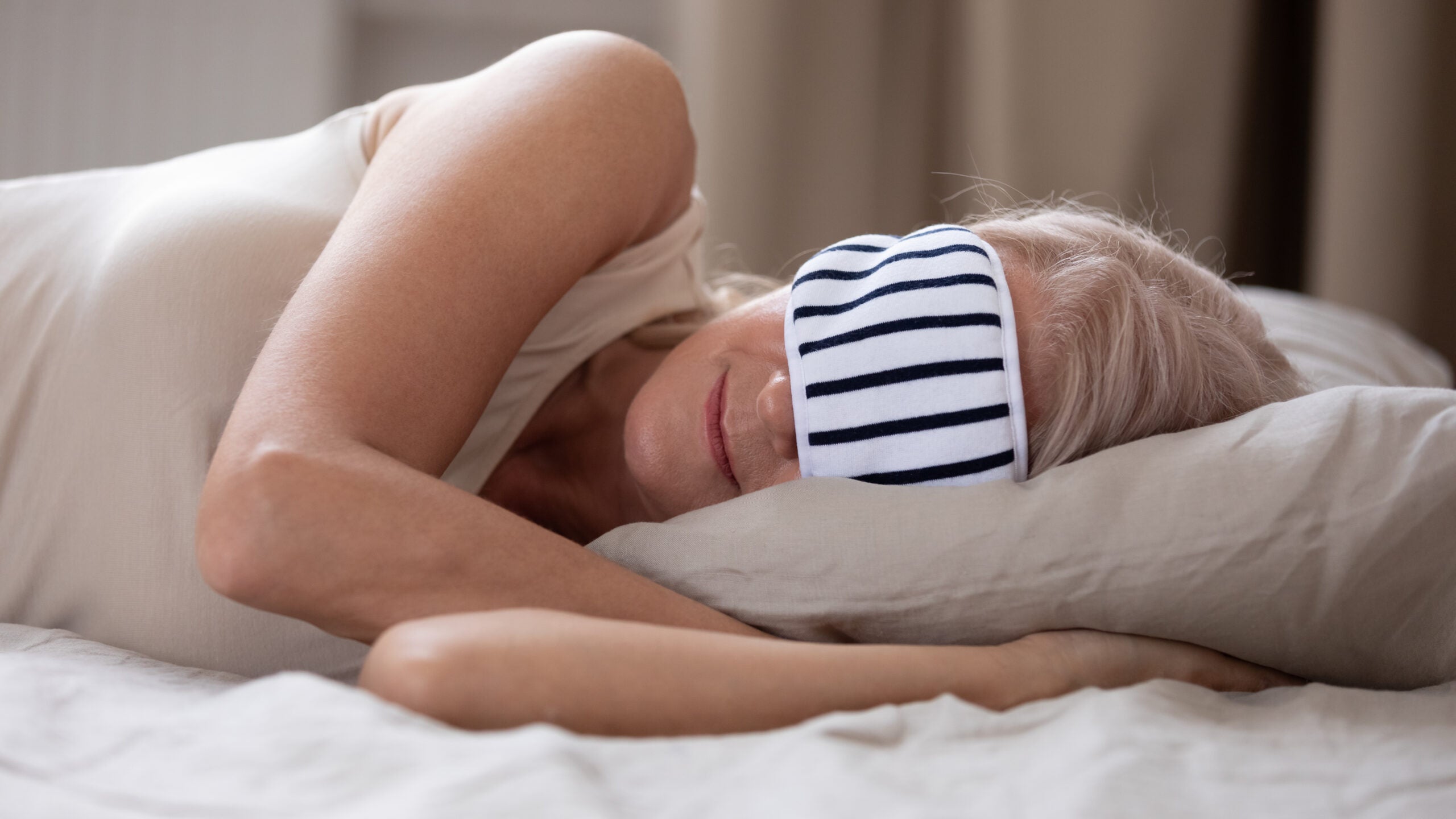
If you are going through menopause and frequent waking at night, you are not imagining it — and you are far from alone. Frequent awakenings during the night are among the most common sleep complaints reported by women during the menopausal transition and beyond.1,6 Research shows that the brain, hormones, and internal body clock all shift during this time in ways that can pull you out of sleep before you are ready — and make it very hard to return.1,6,8,9 Understanding why this happens is the first step toward finding support.
How common is early morning awakening during menopause?
Early morning awakening affects a large proportion of menopausal women, and it tends to get more frequent as the transition progresses. Between 40 and 60% of women report sleep difficulties during the menopausal transition and postmenopause.1,9 Study of Women’s Health Across the Nation (SWAN) found that difficulty maintaining sleep and early morning awakening both increased significantly as women moved from the menopausal transition into postmenopause.5
Importantly, these sleep problems can occur even in women who do not experience hot flashes.2 This means that a lack of vasomotor symptoms does not rule out a menopausal cause for poor sleep.
Is it really the hot flashes that are waking you up at 3 a.m.?
Hot flashes are often the first thing women blame for broken sleep — but the picture is more complicated than that. Research using objective overnight sleep monitoring has found that in the first half of the night, hot flashes usually happened before awakenings. In the second half, awakenings usually happen before hot flashes.6
This finding matters. It suggests that during the early morning hours, factors other than hot flashes may often be the primary driver of waking. Indeed, only about one-third of all wakefulness episodes in menopausal women are accompanied by a vasomotor symptom.4
When hot flashes do play a role
That said, hot flashes and night sweats are still meaningfully linked to sleep disruption overall. Studies using overnight monitoring found that approximately 69 to 78% of objectively measured hot flashes are associated with an awakening.1,4 When they do occur during sleep, the disruption can be significant and cumulative over time.1,4
What else is driving those early-morning wake-ups?
The evidence points to several overlapping factors: shifts in the body’s internal clock, hormonal changes that act directly on the sleeping brain, and a reduced ability to return to deep sleep once awake. These are explored in the sections below.
What is happening to your body clock during menopause?
One of the less well-known changes during menopause is a shift in circadian rhythm — the internal clock that tells your body when to sleep and when to wake. Postmenopausal women tend to show a phase advance of approximately one hour and greater circadian instability compared with premenopausal women.9 In practice, this means the body’s sleepiness signal arrives earlier in the evening and fades earlier in the morning, predisposing women to wake before they feel ready.
At the same time, melatonin — the hormone (melatonin) that signals darkness and promotes sleep — declines progressively from perimenopause to postmenopause. Postmenopausal women have lower levels of nocturnal melatonin and a shorter secretion window than younger women.3,9 A reduced melatonin signal means increased instability and difficulty maintaining consolidated sleep.9
Researchers have also identified a network of cells in the hypothalamus — known as KNDy neurons — that appear to link reproductive hormone changes, body temperature regulation, and sleep-wake cycles together.4 This may help explain why hormonal shifts, hot flashes, and sleep disruption often seem to occur as a cluster during menopause.
How do falling hormones directly affect sleep?
Hormones do not only cause hot flashes — they also act directly on the sleeping brain. Estrogen receptors are found in several brain regions involved in regulating sleep and arousal, including the area responsible for initiating sleep, the circadian clock centre, and a region strongly associated with wakefulness.8,9 As estradiol levels fall, activity in these areas may be altered.
Studies have found that lower estradiol levels and higher FSH (follicle-stimulating hormone) levels are each independently associated with more nocturnal awakenings — even after accounting for hot flashes and depressive symptoms.1,8 The Study of Women’s Health Across the Nation (SWAN) data collected over seven years showed that as estradiol decreased and FSH increased over time, the odds of frequent awakenings rose significantly.8
This suggests it is the broader hormonal shift across the hypothalamic pituitary ovarian (HPO) axis — not any single hormone — that contributes to disrupted sleep.8 The decline in progesterone also plays a role: in the brain, progesterone is converted into a compound that supports sleep stability by reducing nervous system activity, and its decline may weaken this natural calming effect.9
Why is it so hard to fall back to sleep once you wake at 3 a.m.?
Waking at 3 a.m. is frustrating enough. Lying awake for an hour afterwards can feel impossible. There are biological reasons why returning to sleep in the early morning hours can be so difficult.
Research on the cortisol awakening response — a rapid rise in cortisol that occurs in the first 30 to 45 minutes after waking — shows that waking earlier in the morning is associated with a larger cortisol surge.7 The body interprets early awakening as the start of the day and begins preparing: raising alertness, mobilising energy, and activating the mind.7 This physiological activation may make returning to sleep particularly hard in the early-morning window. It is worth noting that this mechanism has been studied broadly and its specific role in menopausal early morning awakening has not yet been directly tested in this population; current evidence suggests it is a plausible contributor.
Women with menopausal insomnia also show signs of heightened brain arousal during sleep — a pattern that may lower the threshold for waking and reduce the depth of sleep throughout the night.9 And for some women, early morning awakening is closely linked to low mood or depression, which has its own distinct sleep signature.1,2 The relationship between poor sleep and depression runs in both directions: each tends to worsen the other.2,5
What are the effects of broken sleep on your health?
Persistent early morning awakening is not simply an inconvenience. Chronic sleep disruption during menopause is associated with reduced quality of life, fatigue, impaired concentration, and mood disturbances.2,4 The relationship between sleep and mental health is bidirectional — poor sleep is associated with increased risk of depression and anxiety, and these conditions in turn make sleep worse.1,4
Long-term, evidence suggests associations between persistent menopausal sleep disruption and increased cardiovascular risk, metabolic changes, and cognitive difficulties.4 Research has also documented substantial losses in work productivity among women dealing with chronic sleep problems during the menopause years.2,4
These findings underline that early morning awakening is a legitimate medical concern — not simply a normal part of ageing that must be silently endured.
Is there anything that can help?
Yes — and this is an important message. A range of evidence-based approaches have been studied in menopausal women with sleep disturbances, spanning behavioural strategies, hormonal options, and non-hormonal treatments.1,4,6,9 Research consistently supports that sleep problems during menopause are not untreatable.6
Which approach is most appropriate depends entirely on the individual — her hormonal status, symptom profile, medical history, mood, and personal preferences.1.4 There is no single answer that works for everyone. A healthcare professional can assess the full picture and help identify the most suitable path forward.
If early morning awakening is affecting your day-to-day life, it is worth raising this with your doctor. Sleep problems during menopause are frequently underreported and undertreated — yet effective support is available.
Questions to bring to your next appointment:
Could my early morning awakening be related to my hormonal changes?
Is my mood affecting my sleep, or is it the other way around?
What options — behavioural or medical — might be appropriate for me?
Conclusion
Waking at 3 a.m. during menopause is usually not caused by just one factor. The evidence suggests it reflects a convergence of changes: a shifting body clock,9 declining melatonin,3,9 falling estradiol and rising FSH acting directly on sleep centres in the brain,1,8 and a cortisol response that may make early-morning re-sleep especially difficult.7 Hot flashes play a role, but particularly in the early morning hours, they may follow an awakening rather than cause it.6 Knowing there is a clear biological reason for these sleep changes—and that there are proven ways to help—can be reassuring. The most important step is to speak with a healthcare professional.
FAQ
1. Is waking up between 3 and 5 a.m. a recognised symptom of menopause?
Yes, nighttime awakening is one of the most frequently reported sleep complaints during the menopausal transition and postmenopause.6 Study of Women’s Health Across the Nation (SWAN) shows that both difficulty maintaining sleep and early morning awakening increase significantly as women progress through the menopausal stages.5 It is a recognised and well-studied consequence of the hormonal and neurological changes associated with this life stage.9 If it is affecting your daily functioning, it is worth discussing with a healthcare professional.
2. Do hot flashes always cause early morning awakening?
No — and in the early morning hours especially, the relationship may often be the reverse. Research using objective sleep monitoring found that in the second half of the night, awakenings are more likely to occur before a hot flash than after one.6 Only about one-third of all wakefulness periods in menopausal women are accompanied by a vasomotor symptom.4
3. Can early morning awakening occur even without hot flashes?
Yes. Sleep disturbances during menopause, including early morning awakening, can occur in women who do not experience vasomotor symptoms.2 This indicates that the hormonal changes of the menopausal transition affect sleep through multiple pathways beyond temperature dysregulation alone.6 Studies have found that falling estradiol and rising FSH predict more awakenings independently of hot flashes and independently of depressive symptoms.1,8
4. Why do I keep waking at the same time every night?
The consistency of early morning awakening in menopausal women may be related to a shift in circadian rhythm. Postmenopausal women tend to show a phase advance of approximately one hour compared with premenopausal women, meaning their body clock is set to signal morning earlier.9 This shift interacts with declining melatonin — a hormone that promotes sleep — which is lower and of shorter duration in postmenopause.3,9 Together, these changes may create a biological tendency to wake at a predictable early hour.
5. Why is it so hard to fall back to sleep once I wake in the early hours?
Research on the cortisol awakening response suggests that waking up earlier in the morning is associated with a larger cortisol surge in the 30 to 45 minutes that follow — the body interprets early waking as the start of the day and begins mobilizing resources for alertness.7 Women with menopausal insomnia also show signs of heightened brain arousal during sleep, which may lower the threshold for waking and make returning to sleep harder.9 Cognitive arousal — worrying about not sleeping or watching the clock — can further reinforce the wakeful state.
6. Is there a link between early morning awakening and depression during menopause?
Yes, and the relationship runs in both directions. Early morning awakening has a distinct association with depression that appears separate from the frequent awakenings caused by hot flashes.1 Depression worsens sleep, and poor sleep worsens mood — creating a cycle that can be difficult to break without support.2,5 Research has found that more than one-third of women with moderate-to-severe insomnia during menopause also had severe depression.5 If you are experiencing both low mood and sleep disruption, it is important to raise both with your healthcare professional.
7. Does broken sleep during menopause affect my health beyond feeling tired?
Yes. Persistent sleep disruption during menopause is associated with reduced quality of life, impaired concentration, mood disturbances, anxiety, and musculoskeletal discomfort.2 Long-term, evidence suggests associations with increased cardiovascular risk, metabolic changes, and cognitive difficulties.4 Work productivity and daily functioning may also be significantly affected.2,4 These consequences are well recognised in the medical literature, which is why addressing sleep problems during this life stage matters beyond comfort alone.
8. Is early morning awakening different from general insomnia?
Menopausal sleep disruption has a distinctive profile compared with general insomnia. It is characterised primarily by nighttime awakenings and increased time spent awake during the night — rather than difficulty falling asleep at bedtime — which may differ from the pattern seen in general insomnia.4 This pattern relates to the specific hormonal and circadian mechanisms at play during the menopausal transition. However, some women can experience both difficulty falling asleep and early awakening, particularly when anxiety or depression is also present.9
9. Will these sleep problems resolve on their own after menopause?
Evidence suggests that sleep difficulties can be persistent into and beyond postmenopause, rather than resolving spontaneously. Study of Women’s Health Across the Nation (SWAN) data found that frequent nighttime awakening remained stable into postmenopause in a significant proportion of women rather than improving.6 Evidence-based treatments exist and have been shown to be effective.1,6 The most important step is to raise persistent sleep concerns with a healthcare professional rather than simply waiting for them to pass.
10. Is there anything I can do in the meantime?
While a healthcare professional should guide any treatment decisions, the evidence supports the value of regular sleep and wake times, limiting daytime napping, reducing evening exposure to bright and blue light, and spending time outdoors in daylight — all of which may help reinforce the circadian clock.9 Keeping a brief sleep diary before your appointment may also help your doctor understand your pattern of awakening. Knowing that early morning awakening has a recognised biological reason and that evidence-based support exists may itself offer some reassurance while you seek guidance.6
This article was written with the assistance of generative AI technology and reviewed for accuracy.
References
- Baker FC, de Zambotti M, Colrain IM, Bei B. Sleep problems during the menopausal transition: prevalence, impact, and management challenges. Nat Sci Sleep. 2018;10:73-95.
- Soares CN, et al. Sleep disturbances and health-related quality of life in women across the menopause transition: a systematic review. Menopause. 2026;33:118.
- Jehan S, Jean-Louis G, Zizi F, et al. Sleep, melatonin, and the menopausal transition: what are the links? Sleep Sci. 2017;10(1):11-18.
- Maki PM, Panay N, Simon JA. Sleep disturbance associated with the menopause. Menopause. 2024;31(8).
- Terauchi M. Mechanisms and management of sleep disturbances during the menopausal transition. J Menopausal Med. 2026;32:12-17.
- Baker FC. Optimizing sleep across the menopausal transition. Climacteric. 2023;26(3):198-205.
- Stalder T, Kirschbaum C, Kudielka BM, et al. The cortisol awakening response: regulation and functional significance. Endocr Rev. 2025;46:43-59.
- Baker FC. It’s not just about the hot flashes: menopausal hormone changes and disrupted sleep. J Clin Endocrinol Metab. 2023;108:e25-e26.
- Tamanna S, Ullah MI, Iftekhar R, Shamsuddin L. Sleep disturbances in menopause: neuroendocrine mechanisms and clinical implications. Physiologia. 2026;6:22.
Can menopause cause joint pain and muscle aches?
July 29, 2026

Aching joints, sore muscles, increased risk of fractures and ligament injury are among the symptoms many women report around the time of menopause 1,2. You may wonder whether menopause is the cause, and what can help. This article looks at why these aches happen, the part oestrogen may play, whether hormone treatment helps, what you can do yourself, and when joint pain should be checked.
Why do some women experience joint pain during menopause?
Joint pains and muscle aches are a recognised part of menopause for many women 2. About 7 in 10 women have musculoskeletal symptoms, such as joint or muscle pain, during the menopause transition 2. More than half of perimenopausal women report joint pain, also called arthralgia, at this time 2.
Women are about twice as likely to experience joint pain and stiffness during or after menopause compared to before 3. The pain often increases through the transition and tends to be greatest in early postmenopause 2.
Joint pain is often part of a wider set of menopausal changes, such as tiredness, low mood, poor sleep, stress and anxiety 3. This pain does not always mean the joints are damaged: about 4 in 10 women with these symptoms have no changes on scans 2, and joint pain is not the same as arthritis, which is a problem inside the joint 3. One form of arthritis, osteoarthritis (gradual joint wear) in the hands does become more common around this age 3.
Joint pain at this age can have more than one cause 3. As well as menopause-associated arthralgia, it may come from osteoarthritis, from inflammatory joint conditions such as rheumatoid arthritis, or from other treatable problems such as a thyroid condition or low vitamin D 3. Widespread muscle and joint pain may be due to fibromyalgia, a condition that causes diffuse pain in many areas of the body with symptoms such as tiredness and poor sleep common 3. This is why identifying the cause can help, especially if the pain does not settle 3.
What is the link between falling oestrogen and musculoskeletal discomfort?
Oestrogen does more than control periods, and this may help explain the aches 4. Oestrogen acts on many body tissues, including bone, muscle, tendon, cartilage and ligaments 2. It also helps to control inflammation, so when oestrogen falls, inflammation and joint pain may increase 2. A fall in estradiol levels leads to a decrease in bone mineral density 2.
Oestrogen also affects how the body senses pain – it reduces pain 3. Most parts of the body can respond to oestrogen, so when oestrogen levels drop after menopause, the effects can be felt widely, including in the muscles and joints 4. Together, these changes can affect the joints, muscles and bones, which is why aches, stiffness and weaker muscles can happen around the same time 2.
These changes are sometimes grouped together under one term, the “musculoskeletal syndrome of menopause” 2. However, this link is not fully proven: a clear cause-and-effect connection between low oestrogen and joint pain has not been shown, partly because joint pain is also very common as people get older 3.
Can HRT help with joint pain related to menopause?
Hormone replacement therapy (HRT) may help, but the evidence for joint pain on its own is limited 3. HRT, also called menopausal hormone therapy, replaces some of the oestrogen the body no longer makes 4.
Women who took HRT for other menopausal symptoms had slightly less joint pain and stiffness than women who did not take it 3. Some symptoms that may not be directly caused by low oestrogen can still improve with HRT 4. At present, there is not enough evidence to recommend HRT for joint pain on its own 3.
HRT may be an option when joint pain is severe and persistent, not improved with other treatment measures, where quality of life is affected and particularly if it occurs with other menopausal symptoms, such as hot flushes 3. HRT is used to treat menopausal symptoms in general 1. Whether to take HRT is a personal decision, made together with a healthcare professional who can weigh the possible benefits and risks for you 1.
What self-management strategies help with menopause-related joint or muscle pain?
Several everyday steps may help, although the evidence for joint pain in particular is limited 3. General advice for musculoskeletal pain is weight control and regular exercise. Moderate levels of physical activity can help joint and muscle symptoms 3.
Exercises that build strength, such as using heavier weights in lower repetition sets or resistance bands, can help increase muscular power and support your joints 2. It is important to exercise to strengthen your muscles 5, as muscle tends to be lost after menopause 2. Building exercise up slowly helps avoid putting too much strain on sore joints 3.
Keeping to a healthy weight can also help, because a higher body weight is linked with these aches 3. Getting enough protein and vitamin D supports your muscles and bones 2. Making sure you get enough sleep and managing stress may help too, because tiredness and low mood can make pain feel worse 3. Some people use supplements, but there is little evidence that they help joint pain specifically 3.
When should joint pain during menopause be investigated further?
Joint aches around menopause are generally not a sign of a serious problem and may settle over time, but you should see a healthcare professional if the pain is persistent, widespread or worsens 3. Seek advice from a healthcare professional promptly if you have unexplained weight loss, a fever, or pain that wakes you at night, because these need to be checked for other causes 3.
Also see a healthcare professional if a joint is swollen, red or warm, or if you have morning stiffness that lasts more than 30 minutes, because these can be signs of inflammatory arthritis (where the joint itself becomes inflamed) 3. A healthcare professional may also check for other treatable causes of joint pain, such as a thyroid problem or low vitamin D 3. Pain that does not settle, or that keeps getting worse, should be reviewed, because not all joint pain at this age is caused by menopause 3. If the cause is unclear, other conditions should be considered and may need tests 4.
Conclusion
Joint and muscle aches are a recognised part of menopause for many women, and falling oestrogen may play a part, even if it is not the only cause 2. Staying active, keeping your muscles strong, and looking after your weight, sleep and stress are everyday steps you can take yourself 3. HRT may help some women, particularly when joint pain occurs alongside other menopausal symptoms 3, and whether to use it is a decision to make together with a healthcare professional 1. If you notice warning signs, or your pain does not settle, see a healthcare professional so that other causes can be checked 3.
FAQ
1: Is joint pain a normal part of menopause?
Yes, joint and muscle aches are among the symptoms reported around menopause 1,2. About 7 in 10 women have musculoskeletal symptoms during the menopause transition, and more than half report joint pain 2. Pain is often part of a wider set of menopausal symptoms 3.
2: Does joint pain at menopause mean I have arthritis?
Not usually. Joint pain, or arthralgia, is not the same as arthritis, which is a problem inside the joint 3. Many women with these aches have no changes on scans 2. However, joint pain that does not settle should be reviewed, because there may be another cause which requires treatment 3.
3: Will HRT cure my joint pain?
HRT is not a cure for joint pain. In studies, joint pain and stiffness improved a little in women who were taking HRT for other menopausal symptoms 3. At the moment there is not enough evidence to recommend HRT for joint pain on its own 3. It may be an option when joint pain comes with other menopausal symptoms 3, and whether to use it is a decision to make with a healthcare professional 1.
4: What can I do at home to ease menopausal joint pain?
Several steps may help. Regular exercise, including activity that builds muscle strength, and keeping to a healthy weight are the first measures to try 3. Good sleep and managing stress may also help, because tiredness and low mood can make pain feel worse 3. Ensure you have enough protein and vitamin D to support your muscles and bones 2.
5: When should I see a doctor about joint pain in menopause? See a healthcare professional if you have warning signs alongside the pain. These include unexplained weight loss, a fever, pain at night, or a joint that is swollen, red or warm 3. Morning stiffness lasting more than 30 minutes can also be a sign of inflammatory arthritis and should be checked 3. Pain that does not settle, or keeps getting worse, should also be reviewed 3
This article was written with the assistance of generative AI technology and reviewed for accuracy.
References
- British Menopause Society. What Is the Menopause? Tool for Clinicians. British Menopause Society; reviewed January 2026. Available at: 17-NEW-BMS-TfC-What-is-the-menopause-JAN2026-A.pdf. Accessed June 2026.
- Wright VJ, Schwartzman JD, Itinoche R, Wittstein J. The musculoskeletal syndrome of menopause. Climacteric. 2024;27(5):466-472.
- Watt FE. Musculoskeletal pain and menopause. Post Reprod Health. 2018;24(1):34-43.
- Lumsden MA, Dekkers OM, Faubion SS, et al. European Society of Endocrinology clinical practice guideline for evaluation and management of menopause and the perimenopause. Eur J Endocrinol. 2025;193:G49-G81.
- National Institute for Health and Care Excellence. Menopause: Identification and Management. NICE Guideline NG23. NICE; updated April 2026.