June 12, 2026
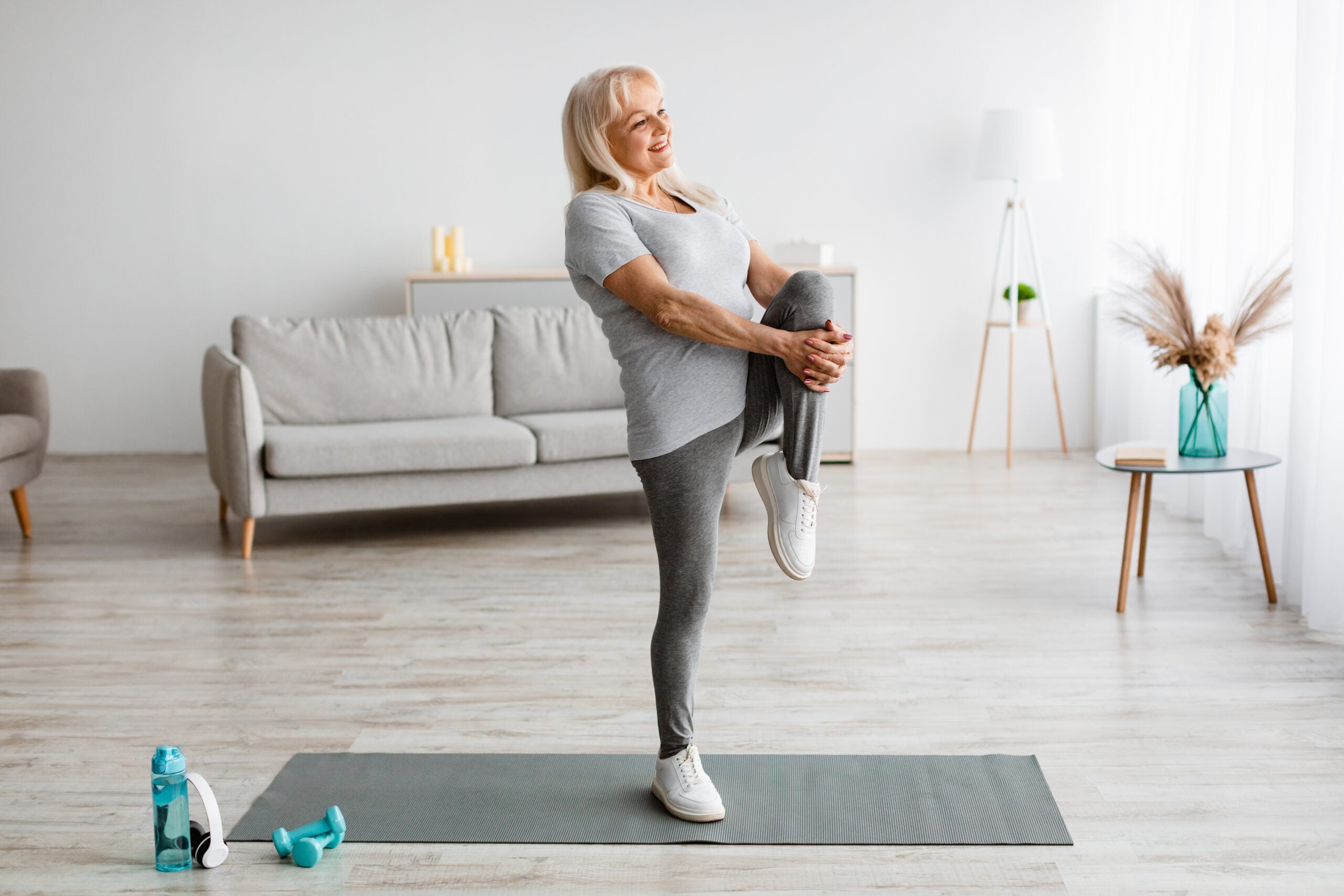
Managing osteoporosis isn’t just about doctors and medications: it’s also about how you live day to day. Adopting certain healthy habits can help protect your bones and improve your overall well-being as you navigate this condition.
Quit smoking and limit alcohol:1 Smoking is harmful to your bones (among many other things). If you smoke, make a plan to quit. Smoking accelerates bone loss and also interferes with blood supply to the bones.2 Similarly, excessive alcohol intake can weaken bones and increase the risk of falls. It’s best to drink only in moderation (no more than one drink per day for women, or two for men). By avoiding tobacco and keeping alcohol to a minimum, you remove two significant risk factors for osteoporosis-related fractures.3
Stay on top of medical check-ups: Ensure you see your healthcare provider regularly and keep up with any tests or screenings they recommend. Routine check-ups are an opportunity to monitor your bone density, review your medications, and discuss any new symptoms (like pain or balance issues).4 If you’ve been prescribed osteoporosis medication, take it exactly as directed and inform your doctor of any side effects. Consistency with medication and supplements is key to getting their full benefit.
Practice good posture and body mechanics: Protecting your spine in everyday activities can prevent painful injuries. Try not to hunch or slouch: keep a good posture whether you’re sitting or standing. When lifting objects, bend at your knees and hips (not at your waist) and keep the load close to your body.5 Avoid lifting very heavy objects altogether if you can. If you have spinal osteoporosis (thinning in the vertebrae), ask a physical therapist to teach you safe ways to bend, reach, and exercise without putting undue strain on your spine.6 They can show you modifications for daily tasks (like how to tie your shoes or pick things up) that reduce the risk of compression fractures in your back.
Find support and stay positive: Osteoporosis can be challenging, both physically and emotionally. It’s normal to feel anxious about your fracture risk or frustrated by lifestyle changes. That’s why it’s important to be kind to yourself. Remember that your condition is just one part of who you are. Practice self-compassion and patience: take things one day at a time, and acknowledge the efforts you’re making to care for your health. Many people find it helpful to connect with others who have osteoporosis, whether through support groups (online or in person) or simply talking with friends and family about what you’re going through. Staying socially engaged and doing activities you enjoy can boost your mood and help you feel more in control.7 Stress management techniques, like meditation, deep breathing, or gentle exercise, can also improve your mental and emotional well-being.
Keep moving safely: While you should avoid hazardous activities (like climbing ladders or high-impact sports on hard surfaces), staying active with osteoporosis is crucial. Regular exercise, as discussed earlier, strengthens your muscles and bones and improves balance. Just make sure the activities are safe for your condition. Low-impact exercises (walking, swimming, tai chi) are generally good choices.8 If you’re uncertain about an activity, consult your doctor or a physiotherapist who understands osteoporosis. They can advise you on how to exercise safely and which movements to avoid. Remember, using assistive devices (like a cane) or asking for help with certain tasks is not a sign of weakness: it’s a smart strategy to prevent accidents and preserve your independence.
Conclusion
In summary, living well with osteoporosis involves a mix of medical care and mindful lifestyle choices. By avoiding bone-harming habits, nurturing your body with the right diet and exercise, and taking precautions in daily activities, you can maintain a good quality of life. Equally important, maintain a positive outlook and lean on others for support when you need it. Osteoporosis is manageable, and with healthy habits in place, you can continue doing many of the things you love while keeping your bones as safe as possible.
FAQ
1. How can healthy habits help manage osteoporosis?
Healthy habits like quitting smoking, limiting alcohol, exercising safely, and maintaining good posture can protect bones and reduce fracture risk.2,3,5
2. Why should I quit smoking if I have osteoporosis?
Smoking accelerates bone loss and reduces blood supply to bones, increasing the risk of fractures. Quitting smoking is crucial for bone health.2
3. Does alcohol affect osteoporosis?
Yes. Excessive alcohol weakens bones and increases fall risk. Limit intake to one drink per day for women and two for men.3
4. What exercises are safe for people with osteoporosis?
Low-impact activities like walking, swimming, and tai chi are generally safe.8 Always consult your doctor before starting a new exercise routine.
5. What posture tips help prevent fractures?
Maintain good posture, avoid slouching, and bend at the knees and hips when lifting.5 Ask a physical therapist for safe movement techniques.
This article was written with the assistance of generative AI technology and reviewed for accuracy.
References