Clarithromycin
Also marketed under the names: Abbotic®, Biaxin®, Clacee®, Clarith®, Cyllind®, Biclar®, Heliklar®, Klacid®, Klaricid®, Kofron®, Maclar®, Makcin®, Mavid®, Naxy®, Zeclar®.
Brand names may vary by country. This information refers to the product as marketed in selected countries.
Clarithromycin (International Nonproprietary Name)
Clarithromycin is available in several forms, including:
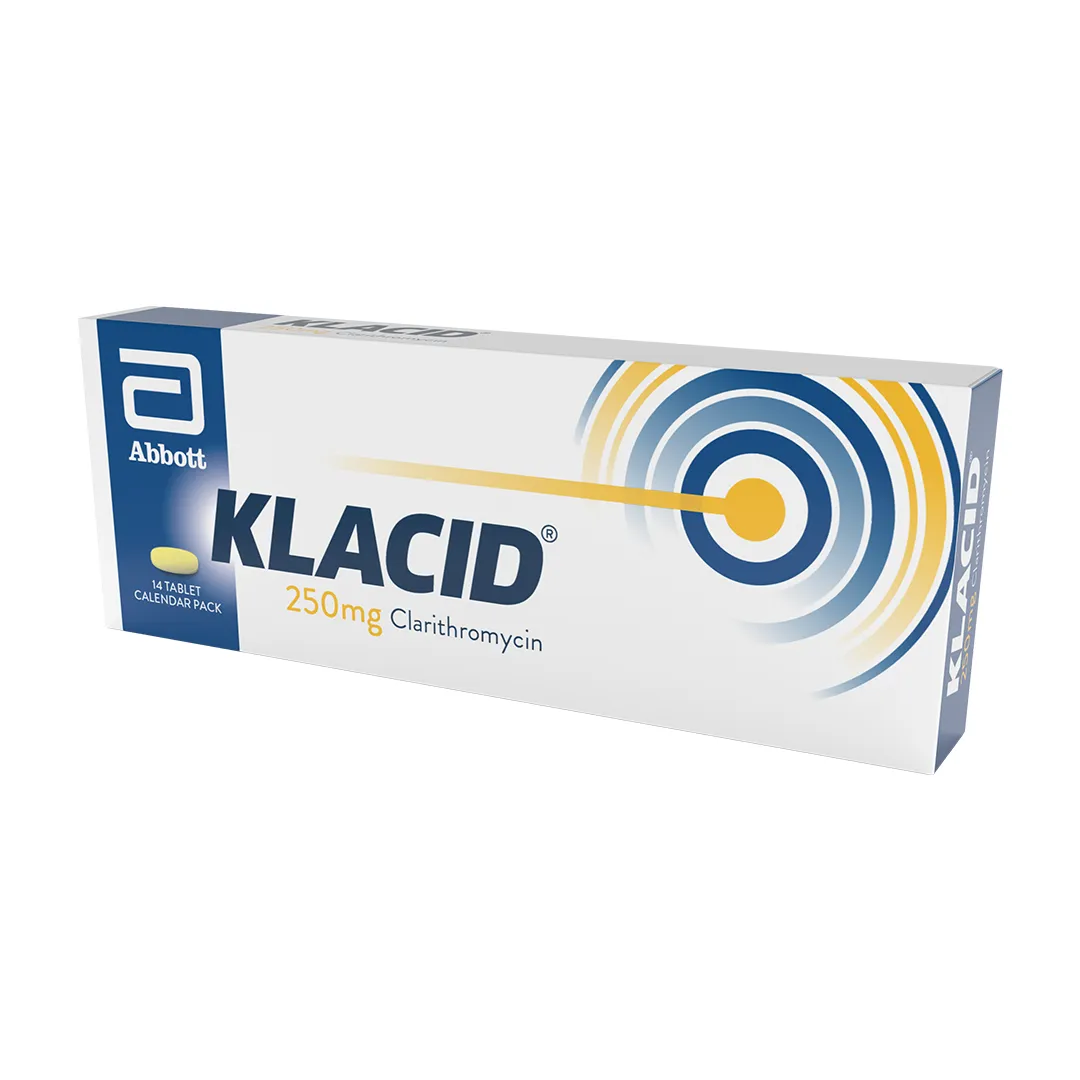
• Film-coated tablets (Immediate release and modified release)
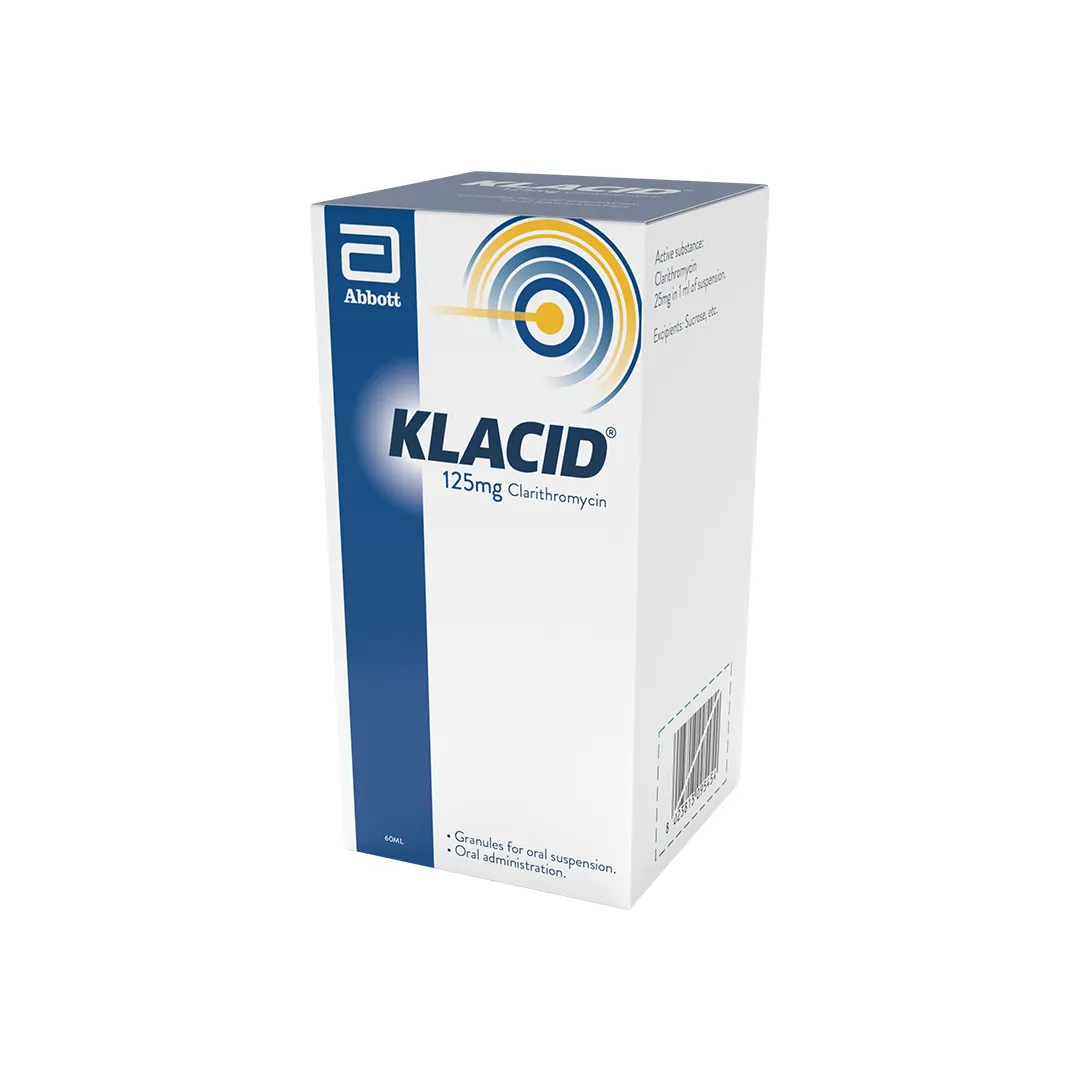
• Granules for oral suspension (used in pediatric sachets)
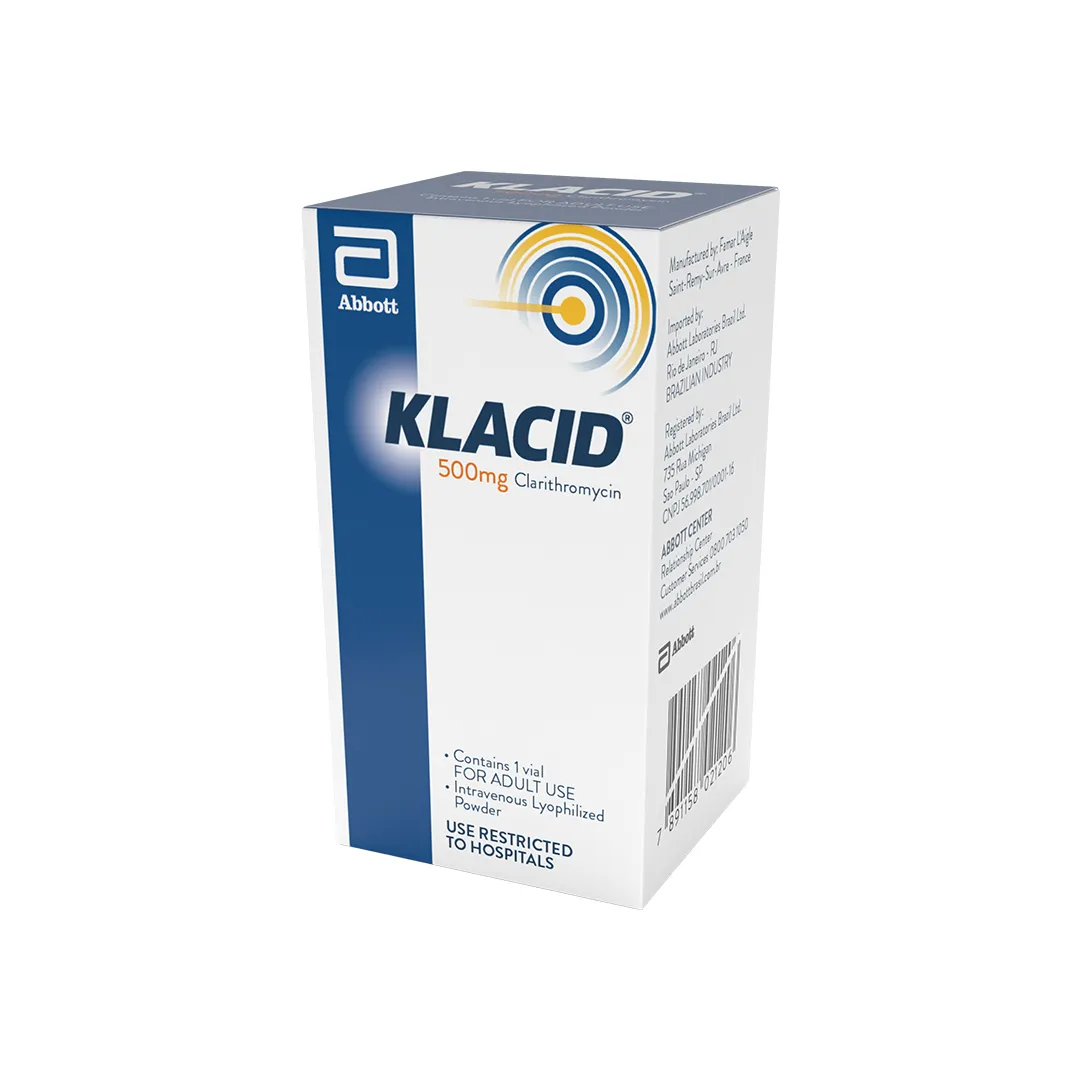
• Lyophilized powder for intravenous solution
Available forms may vary by country. Please refer to your local label.
• Oral use (tablets and oral suspension)
• Intravenous use (reconstituted solution)
This medicine is used to treat infections caused by certain bacteria, as advised by a healthcare professional. These may include:
• Respiratory tract infections (e.g., bronchitis, pneumonia, sinusitis, pharyngitis)
• Skin and soft tissue infections (e.g., cellulitis, erysipelas)
• Acute otitis media
• Odontogenic (dental) infections
• Disseminated or localized mycobacterial infections due to Mycobacterium
avium or Mycobacterium intracellulare. Localized infections due to Mycobacterium chelonae, Mycobacterium fortuitum, or Mycobacterium
kansasii
• Prevention of Mycobacterium avium complex infection in HIV-infected patients with certain CD4 lymphocyte counts
• In combination with other medicines, it may be used to help eradicate Helicobacter pylori, a bacterium linked to duodenal ulcers
Approved uses may differ by country. Always refer to the locally approved product information.
Clarithromycin is an antibiotic that works throughout the body to help treat bacterial infections. It belongs to the macrolide class. It is used to treat a variety of bacterial infections by stopping the growth of bacteria. It may be prescribed alone or in combination with other medicines, depending on the type of infection and patient needs.
This medicine works by attaching to parts of bacteria called ribosomes, which are responsible for making proteins. By doing so, it prevents the bacteria from growing and multiplying.
Macrolide antibiotic
This page is intended for general informational purposes only and does not replace professional medical advice. Product availability, indications, and labelling may vary by country. Like all drugs, this medicine may cause side effects. Talk to your doctor if you experience any unusual symptoms. Always consult your healthcare provider and refer to the locally approved product information.