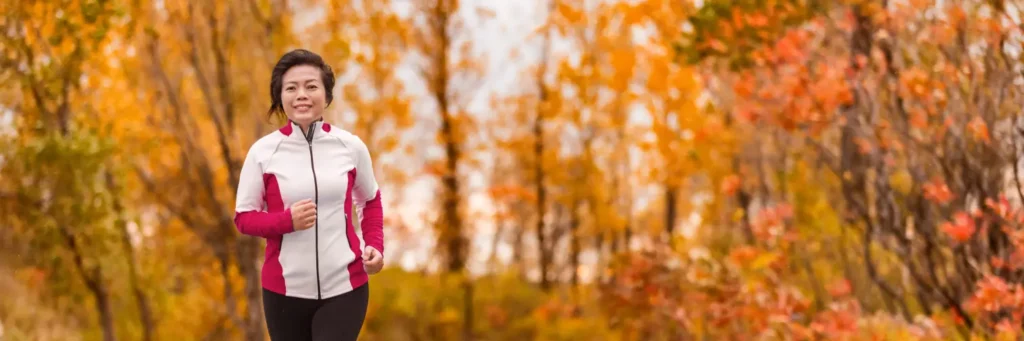
World Osteoporosis Day: Building Strong Bones for Life
Osteoporosis
October 20, 2025
At Abbott, we’re proud to support World Osteoporosis Day, a global initiative dedicated to raising awareness about bone health and the prevention of osteoporosis. This day reminds us of the importance of early diagnosis, healthy lifestyle choices, and access to effective treatments.
Join us in recognizing the impact of osteoporosis and our commitment to improving lives through innovation in healthcare. Together, we can build stronger bones and a healthier future.
Osteoporosis: Key Facts & Stats
Common and Widespread: Worldwide, 1 in 3 women and 1 in 5 men over the age of 50 are at the risk of a fracture caused by osteoporosis duringtheir lifetime. An estimated 500 million people may be affected by osteoporosis across the globe, making it a major public health issue.1,3
Frequent Fractures: Osteoporosis causes millions of fractures each year – roughly 8.9 million fractures annually.2 These include hip, spine, and wrist fractures that can dramatically impact quality of life.
Serious Health Impact: Hip fractures are among the most serious consequences: about 20% of patients die within a year of a hip fracture, and many survivors require long-term assistance or nursing care.3 In women over 45 years of age, osteoporosis accounts for more hospital days than breast cancer, heart attack or diabetes, illustrating the heavy burden of this disease on healthcare.4
What is Osteoporosis?
Osteoporosis literally means “porous bone.” It is a disease that weakens bones by reducing their density and quality, making them fragile and more likely to break from even minor falls or bumps.4 Often called the “silent disease,” osteoporosis has no obvious symptoms until a fracture occurs.4 Over time, bone loss progresses without pain, so people may not realize their bones are fragile until a sudden injury (like a low-impact fall) leads to a broken bone. This is why osteoporosis can be serious: you typically won’t know your bones are weakening until a fracture happens.
Who Is Most at Risk of Osteoporosis?
Age and Gender: Osteoporosis can affect anyone, but it is most common in older adults, especially postmenopausal women. Women lose bone rapidly in the first years after menopause due to the drop in estrogen, so they face the highest risk.5 Men also lose bone density with age (usually starting later in life than women) and aren’t immune.6In fact, a man over 50 is more likely to experience an osteoporosis-related fracture than to develop prostate cancer.3 As age increases, so does the risk for both women and men.7
Other Risk Factors: A family history of osteoporosis or hip fractures (for example, a parent who broke their hip) raises your risk.7 Body type plays a role too: people with a smaller, thinner frame tend to be at higher risk because they have less bone mass “in the bank” to start with.7 Certain medical conditions (e.g. rheumatoid arthritis, malabsorption disorders) and long-term use of medications like corticosteroids can accelerate bone loss.7 Lifestyle factors are important: smoking, excessive alcohol intake, a sedentary lifestyle, and poor nutrition (low calcium/Vitamin D) all contribute to weaker bones and higher fracture risk.7
Why Early Prevention Matters
“Peak bone mass” – the point when bones are strongest and densest – is usually reached by our late 20s (around age 30).7 After that, we naturally start to lose bone mass. The more bone you’ve built up in youth, the more you can afford to lose later; a higher peak bone mass reduces your risk of osteoporosis as you age.7 This means it’s vital to build strong bones early in life and to continue protecting them as you get older.
Because osteoporosis develops silently, early prevention is key. Strengthening your bones through diet and exercise in younger years and taking action to maintain bone density in midlife and beyond, can delay or prevent the onset of osteoporosis. It also helps reduce the chance of devastating fractures in old age. Fragility fractures (like hip or spine fractures) can be life-changing, causing chronic pain, disability, or loss of independence in older adults.8 The good news is that osteoporosis is preventable for many people and there are effective ways to keep bones strong at every age. By adopting bone-healthy habits and addressing risk factors early, you can significantly lower the likelihood of fractures and ensure better mobility and quality of life in your later years.9
Preventing Osteoporosis: Healthy Habits for Strong Bones
Healthy Diet – “Eat for Your Bones”
Boost Calcium Intake:7 Eat plenty of calcium-rich foods to build and protect your bones. Good sources include dairy products (milk, yogurt, cheese), leafy green vegetables (broccoli, kale, spinach), nuts (like almonds), and fish with edible bones (sardines, salmon).10,11 Calcium is the foundational mineral for bone strength, and getting adequate calcium (through food or supplements if needed) helps ensure your bones stay dense and resilient.
Get Enough Vitamin D: Vitamin D is essential because it helps your body absorb calcium and supports the muscles that keep you steady. You can get vitamin D from sensible sunlight exposure and foods such as fatty fish (salmon, mackerel, tuna), egg yolks, and vitamin-D-fortified milk or cereals.7 Many adults, especially in less sunny climates, don’t get enough vitamin D, so your doctor might recommend a supplement. Maintaining healthy vitamin D levels can improve bone density and reduce falls by improving muscle function.7
Balanced Nutrition: In addition to calcium and D, aim for a balanced diet with adequate protein, fruits and vegetables. Protein is important for bone and muscle strength, while produce provides vitamins and minerals (like magnesium and vitamin K) that support bone health. Limit excessive salt, sugary drinks, and caffeine, as these can hinder calcium absorption or promote calcium loss.11 And remember to stay hydrated. Dehydration can contribute to dizziness and falls, indirectly affecting bone health.12
Exercise – “Move It or Lose It”
Weight-Bearing Activities:13 Regular physical activity signals your body to keep bones strong. Focus on weight-bearing exercises: activities done on your feet that work your bones against gravity. Great options include brisk walking, hiking, dancing, low-impact aerobics, or even climbing stairs. Higher-impact exercises (like jogging or jumping) can build bone density more, but if you are older or at high risk of fracture, stick with low-impact options or consult your doctor. The goal is to spend at least 30 minutes most days doing weight-bearing aerobic activities to stimulate bone growth and maintain bone strength.14, 15
Muscle-Strengthening Exercises:14,15,16 Include resistance training in your routine to build muscle and bone. Exercises that pit your muscles against some form of resistance (weights, resistance bands, or your own body weight) not only strengthen muscles but also put beneficial stress on bones, encouraging them to maintain density. Examples: lifting light weights or using resistance bands, doing body weight moves like squats, lunges, or push-ups, or using weight machines. Strong muscles improve balance and support your joints, further protecting your bones. Aim for strength training exercises 2–3 times a week,16 targeting all major muscle groups (legs, arms, back, core).
Stay Active & Flexible: If high-impact or heavy weight training isn’t for you, remember that any activity is better than none. Incorporate activities like Tai Chi, yoga, or Pilates which can improve balance, flexibility, and core strength (just avoid extreme forward-bending if you have osteoporosis).14,15 Even regular walking and simple balance exercises can help maintain coordination and reduce fall risk. Consistency is key: keep moving regularly to slow bone loss and maintain agility as you age. Always consult your doctor to determine which type of exercise is most suitable for you.
Fall Prevention – “Stay Steady and Safe”
Make Your Home Fall-Proof:17 Since most osteoporotic fractures result from falls, reducing fall hazards in your environment is crucial. Simple home modifications can greatly cut your risk. Remove tripping hazards like loose rugs, clutter on the floor, and electrical cords from walkways. Ensure your home is well-lit: use nightlights or motion lights in hallways and bathrooms so you can see where you’re walking at night. Install sturdy handrails and grab bars: handrails on both sides of stairways and grab bars in bathrooms (by the toilet and inside the tub/shower) provide support and stability. Keep frequently used items within easy reach to avoid unnecessary climbing or straining. Making these small changes creates a safer home that can prevent falls.
Check Your Vision and Footwear:Vision problems can lead to missteps and falls, so have regular eye exams (at least once a year or as advised) and wear up-to-date prescription glasses or contact lenses.18 If you use bifocals, be cautious on stairs as they can distort depth perception. Also, choose sensible footwear with non-slip soles. Avoid high heels, floppy slippers, or walking in socks on slick floors – supportive, well-fitting shoes help you maintain balance. Taking care of your vision and footwear ensures you can literally see obstacles coming and have a firm footing as you walk.
Practice Balance and Coordination: Exercises that improve your balance can significantly reduce your risk of falling. Consider doing balance training activities such as Tai Chi, gentle yoga,14 or specific balance exercises (like standing on one foot, or walking heel-to-toe in a straight line). These activities strengthen your legs and core and train your body’s stability. Even simple routines, like periodically rising up on your toes or doing side-leg raises while holding onto a counter, will engage your balance. Many community centers offer senior balance classes or Tai Chi sessions, which have proven benefits in preventing falls. By keeping your balance sharp and your legs strong, you’ll be more sure-footed in daily life.15
Mind Medications and Health Conditions: Be aware that certain medications (for blood pressure, sleep, mood, etc.) or health issues might make you dizzy or affect your balance.19 Discuss with your doctor or pharmacist if you feel unsteady, as they might adjust doses or suggest timing your doses to avoid peak side effects when you’re active. If you have conditions like low blood pressure that cause dizziness, stand up slowly from chairs and beds to avoid “head rush” falls. Staying in tune with your health and how you feel can prevent falls before they happen.19
Follow Your Doctor’s Plan: “Adhere to Treatment”
Stick with the Plan: Adherence is crucial.
Medications and supplements for bone health only work if taken consistently. Take your osteoporosis medication exactly as prescribed (daily, weekly or monthly, depending on the drug). Set reminders if needed and keep up with calcium/Vitamin D supplements or dietary recommendations your doctor has given. Do not stop your treatment on your own just because you “feel fine.” Osteoporosis is silent, so you may not feel the benefits, but in the background the medicine is helping to stabilize or rebuild your bones. If you have concerns about side effects or costs, talk to your doctor rather than discontinuing on your own. Sticking to the treatment plan gives your bones the best chance to stay strong and less likely to fracture. And remember, treatment works. It can cut your risk of future fractures significantly,20 helping you stay active and independent as you age.
Seek Testing and Treatment if At Risk
If you’re over 50 or have significant risk factors (like a prior fracture from a minor fall, strong family history, or early menopause), talk to your healthcare provider about a bone density test. Early diagnosis of osteoporosis allows for timely treatment. Doctors may prescribe medications or supplements that can slow bone loss and reduce fracture risk. Follow your doctor’s recommendations: these treatments can be very effective in strengthening bones. In fact, modern osteoporosis medications can lower the risk of hip fractures by around 40% and spine fractures by 30 to 70%. Getting treated can be life-changing, so don’t hesitate to take action if you’re at risk.20
No matter your age, it’s never too early or too late to improve your bone health. By eating wisely, staying active, preventing falls, and following medical advice, you can love your bones and enjoy life with a lower risk of fractures.
This World Osteoporosis Day, take a moment to adopt one new bone-healthy habit – your future self will thank you!
FAQ
Who is most at risk of developing osteoporosis? Anyone can develop osteoporosis, but it’s more common in women after menopause and in older adults5. Other factors like family history, low body weight, smoking, or lack of exercise can also increase risk5-7. The reassuring news? With healthy habits and regular check-ups, you can take control and reduce your risk significantly.
How can I prevent osteoporosis naturally? You can help prevent osteoporosis with small, consistent lifestyle choices. Eat a diet rich in calcium and vitamin D, stay active with weight-bearing exercises, limit smoking and alcohol, and make time for sunlight and balanced nutrition. Every positive change adds up to stronger bones and a healthier future7,10,13-16.
What foods are best for strong bones? Your bones love variety! Enjoy calcium-rich foods such as milk, yogurt, cheese, and leafy greens. Add vitamin D sources like salmon, eggs, and fortified cereals to help your body absorb calcium. Simple, balanced meals plus enough protein and fresh produce can make a real difference for your bone health7, 10.
How does exercise help prevent osteoporosis? Movement keeps your bones and muscles strong13-16. Activities like walking, dancing, yoga, or light resistance training stimulate bone growth and improve balance. Even gentle daily exercise helps reduce the risk of falls and fractures, and boosts your energy and confidence, too.
Can men get osteoporosis too? Yes, men can develop osteoporosis, especially as they get older. Around 1 in 5 men over 50 will experience a bone fracture related to osteoporosis1. The encouraging part? Men benefit just as much from healthy habits: good nutrition, regular exercise, and bone checks, to keep their bones resilient.
What are the early warning signs of osteoporosis? Osteoporosis is often called a “silent disease”4 because you may not feel any symptoms until a fracture occurs. However, if you notice loss of height, stooped posture, or back pain, it’s a good idea to speak with your doctor. Regular screenings help detect bone changes early, when prevention is most effective.
This article was written with the assistance of generative AI technology and reviewed for accuracy.
Pisani P, Renna MD, Conversano F, Casciaro E, Di Paola M, Quarta E, Muratore M, Casciaro S. Major osteoporotic fragility fractures: Risk factor updates and societal impact. World J Orthop. 2016 Mar 18;7(3):171-81.